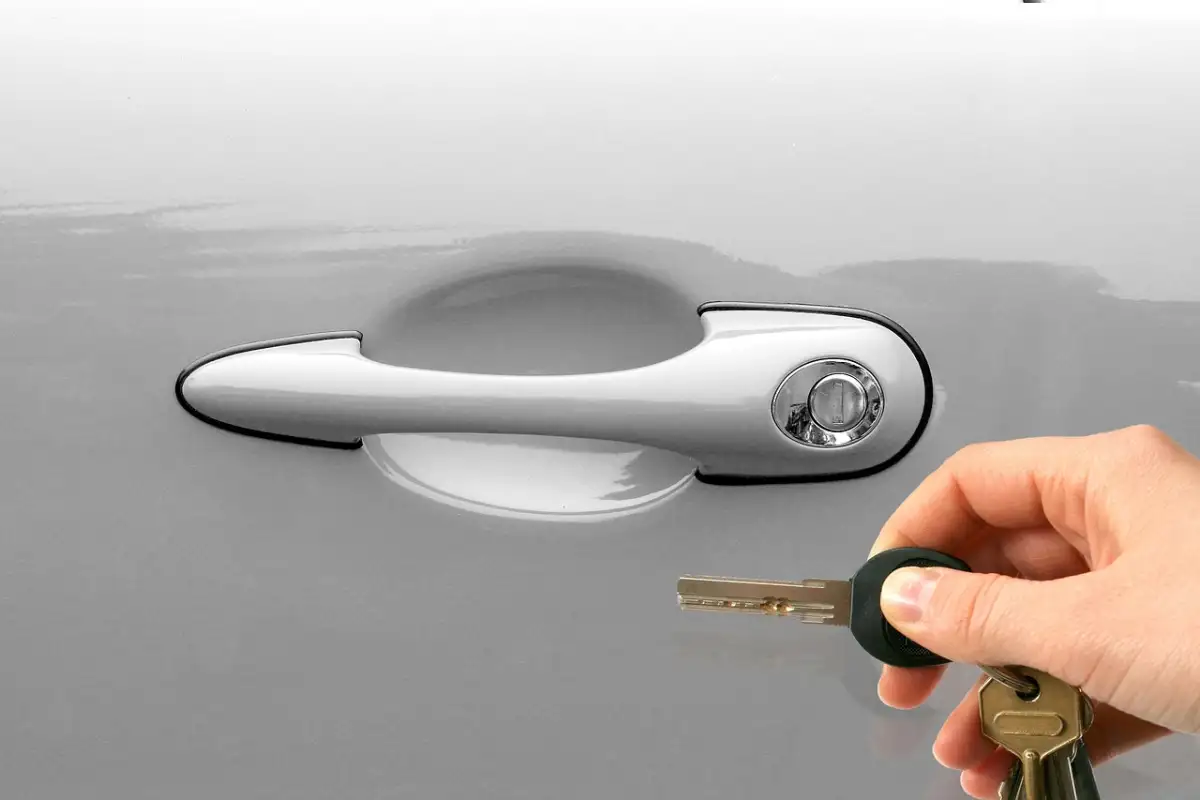
Modern vehicles rely on electronic security systems that require a programmed chip key to operate. When that key is lost, damaged, or unavailable, the car may remain completely immobilized—even though nothing is mechanically wrong. This situation often catches owners off guard, especially those familiar with older vehicles where a basic metal key was enough to get moving.
Unlike traditional ignition systems, today’s anti-theft technology cannot be bypassed safely with improvised methods. Attempting shortcuts can damage electronic components, trigger permanent lockouts, or create legal complications. For that reason, the path forward depends on understanding how the system works and which recovery options are legitimate.
The information that follows explains why chip keys behave differently, why older methods no longer apply, and which lawful solutions actually restore access. It also outlines expected timeframes, typical costs, and ways to avoid unnecessary stress or inflated emergency charges. The focus is on safe, reliable steps that protect both the vehicle and the owner while getting the problem resolved efficiently.
First, a clear boundary
It is legel with instructions that bypass or defeat a vehicle’s security. Those systems exist to prevent theft, and step-by-step guidance to defeat them would be unsafe and illegal in many places.
It is legel to show you legitimate ways to regain access and start your car when the chip key is lost, damaged, or not recognized. These routes are widely accepted, protect your car’s electronics, and keep you on the right side of the law.
Why chip keys changed everything
Older cars relied on a simple metal blade and a mechanical ignition. If you lost the key, a locksmith could cut another and you’d be on your way. Chip keys (also called transponder keys) add a tiny electronic code that the car must recognize before fuel and ignition are enabled. No recognized code, no start—no matter how perfect the metal cut looks.
Here’s what that means in real life:
- The car isn’t “broken.” It’s doing its job.
- Jumping wires or swapping ignitions doesn’t help.
- The fix usually involves programming, not brute force.
What doesn’t work anymore (and can cost you dearly)
We want to save you time and money, so let me be blunt about the dead ends we see people try:
- Hot-wiring: Modern immobilizers ignore it. You risk electrical damage.
- Aftermarket bypass gadgets: Often vehicle-specific, frequently scams, sometimes brick the immobilizer.
- Swapping ECUs from another car: Triggers mismatches that require dealer-level resets.
- YouTube “hacks”: Best case, they do nothing. Worst case, they lock the system harder.
If someone promises a magic trick that starts any car without a chip key in minutes, walk away.
The paths that actually work (I’ve used these)
Below are the legitimate options, explained plainly, with pros, cons, time, and cost expectations. Pick the one that fits your situation.
1) Call a mobile automotive locksmith (my first call)
This is usually the fastest and most cost-effective solution if your car supports on-site programming.
What they do
- Verify ownership.
- Decode the vehicle’s system.
- Cut a new key (or supply a programmed fob).
- Program it to the immobilizer.
Why we like this option
- They come to you.
- No towing if supported.
- Often cheaper than a dealer.
Watch-outs
- Not all cars allow on-site programming.
- Very new models may require dealer servers.
Typical time & cost
- Time: 30–90 minutes.
- Cost: Moderate, varies by brand and region.
2) Go to the dealership (slow but definitive)
If the car is newer or uses encrypted systems, the dealer may be the only route.
What they do
- Verify ownership thoroughly.
- Order a factory key.
- Program it using manufacturer systems.
Why this works
- Full access to the car’s software.
- Zero compatibility guessing.
Downsides
- Often requires towing.
- Appointment delays.
- Higher cost.
Typical time & cost
- Time: 1–5 days (key order + programming).
- Cost: Higher, but predictable.
3) Use a spare or valet key (if you have one)
It sounds obvious, but many people forget a spare exists.
How it helps
- Some cars allow self-programming if a working key is present.
- Even if not, a locksmith can clone/program faster.
My advice
- Once you’re running again, immediately make another spare. Don’t repeat the stress.
4) Immobilizer reset (case-by-case)
In rare situations—like battery replacement glitches—the immobilizer loses sync.
What this involves
- Diagnostic scan.
- Re-sync procedure.
- Sometimes a short relearn cycle.
Important
- This doesn’t bypass security.
- It only works if a valid key exists or is being added.
5) Towing to the right place (when there’s no shortcut)
You know towing feels like defeat. Sometimes it’s simply the cleanest route.
When towing makes sense
- Vehicle requires dealer servers.
- All keys are lost.
- Programming is locked down.
Tip
- Tow directly to the place doing the work to avoid double charges.
Costs, broken down simply
Prices vary, but here’s a realistic range so you’re not blindsided:
- Mobile locksmith: Lower to mid range.
- Dealer key + programming: Upper range.
- Towing: Extra, unless included.
Spending a bit more on the right fix often saves you from electrical repairs that cost far more.
How To avoid this mess in the future (learned the hard way)
After going through this once, I changed a few habits:
- Keep two programmed keys, not one.
- Label my spare discreetly (not with the car model).
- Replace weak key batteries early to avoid recognition errors.
- Store the VIN and ownership docs digitally, just in case.
Small steps, huge peace of mind.
Common questions We get from readers
“Can a dead chip key battery stop the car from starting?”
Sometimes. Some systems read the chip passively; others need power. Replacing the battery is cheap and worth trying.
“What if the car cranks but won’t start?”
That’s classic immobilizer behavior. The engine turns, fuel or spark is disabled.
“Is cloning safe?”
When done by a reputable locksmith and supported by the car, yes. Cheap clones can fail later.
A calm checklist if you’re stranded right now
- Confirm whether you truly lost the key or it’s just not being recognized.
- Replace the key battery if applicable.
- Check for a spare.
- Call a reputable mobile locksmith with your VIN ready.
- If needed, arrange a single tow to the dealer.
One step at a time. Panic makes it worse.
Final word
We know the title of this topic sounds like there might be a secret switch or clever workaround. we wish there were. The reality is that modern cars are built to refuse that path. The good news is that legitimate solutions are reliable, safe, and faster than fighting the system. I’ve watched people spend days chasing hacks when a single phone call would’ve solved it.
If you want, tell me your car’s year and model and I’ll explain which of the above options usually works best for that setup—no guesswork, no nonsense.