
The Honda CR-V has built a strong reputation as a practical and dependable compact SUV, which is why it remains one of the most popular choices on the used market. However, long production runs often bring meaningful differences from year to year.
Changes in engines, transmissions, and supporting systems can significantly affect long-term ownership costs and reliability. While some CR-V model years have proven consistently solid, others are associated with recurring complaints, higher repair frequency, or design issues that tend to surface as mileage accumulates.
These differences are not always obvious at first glance, especially when vehicles appear similar on the surface.
The information that follows focuses on CR-V model years that commonly raise concern, outlines the types of problems reported most often, and distinguishes between issues that are considered normal wear and those that may signal deeper reliability risks. The goal is to help buyers make informed decisions based on ownership patterns rather than reputation alone.
Why Some Model Years Have More Trouble Than Others
Reliability isn’t random — it often tracks with major redesigns, engine changes, and new technology introductions.
When Honda changes engines, transmissions, or major electronics, there’s always a transition period. Sometimes the issues show up immediately; other times they emerge over several years as cars accumulate miles and owners start reporting problems.
So when we talk about “years to avoid,” we’re talking about years that, in hindsight, had consistent patterns of complaints or expensive repairs attached to them.
First Generation (1997–2001): Early Years Worth Watching
The first generation of CR-Vs is generally reliable, but it’s worth mentioning a few things if you look back far enough.
Some early examples, especially from the first few years like 1997-1999, show more complaint reports than later years in the same era. The issues aren’t always dramatic, but compared to later Hondas they’re more frequent in:
- early electrical components
- aging sensor issues
- minor drivetrain trouble reports
If you’re considering a first-generation CR-V for nostalgia or budget, just be sure to check service records thoroughly.
Second Generation (2002–2006): Avoid the First Few Years
The early second-generation CR-Vs, especially 2002–2004, have come up in reliability reports more often than the later years. Many of those early models battled:
- transmission concerns
- shift linkage problems
- airbag system recalls tied to widespread supplier issues in that era
These aren’t necessarily deal-breakers if a specific example has been well cared for, but as a category, the first years of this generation aren’t as bulletproof as later ones like 2005 and 2006.
Third Generation (2007–2011): Some Strong Years, but Also Trouble
The third generation includes some great cars like the 2009 CR-V, which many owners and reviewers consider one of the most reliable of that era.
But the earliest years — 2007 and 2008 — had noticeably more issues reported, including:
These problems don’t necessarily leave cars stranded, but they do make ownership more expensive and unpredictable than average.
Fourth Generation (2012–2016): Be Cautious With the Mid-Period Models
The fourth generation is mostly solid, and many owners still praise the general durability of these years.
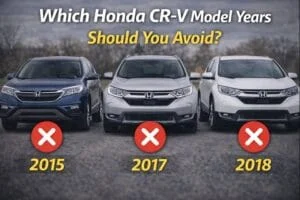
However, the 2015 CR-V in particular stands out in multiple reliability summaries as having had persistent vibration problems, early CVT complaints, and other recurring issues.
Understanding that early adoption of continuously variable transmissions (CVTs) and some engine nuances made this year more trouble-prone helps explain why to tend to look for other years in the fourth generation if reliability is a top priority.
Fifth Generation (2017–2022): Major Redesign, Highest Reported Problems
This is the generation that put the CR-V on many people’s radar as a modern compact SUV — but it also includes some of the most problematic years in the model’s history.
2017 and 2018: Considered Risky Choices
The initial years of the fifth generation, particularly the 2017 and 2018 models, regularly appear in reliability discussions with higher complaint counts than most other years.
Owners have reported:
- engine performance issues with the new 1.5-liter turbo
- electrical and dashboard gremlins
- unresolved safety system quirks
- occasional transmission and braking concerns
These problems tend to be more frequent and recurring.
2019: Not the Worst, But Still Caution Warranted
While some sources rate 2019 as neutral, reports show that model carried higher issue counts compared to others later in the generation, including engine stalling and oil consumption complaints around the turbo engine.
It’s not as problematic as 2017 or 2018, but for cautious buyers it’s not a standout year either.
2021 in Some Reports
Even some later fifth-generation models like 2021 get mixed feedback. Issues reported by owners in some reliability summaries include repeated brake problems and other complaints that made this year less popular in owner surveys.
Hybrid Versions and Newer Generations
As Honda continues evolving the CR-V into hybrid and more advanced powertrain versions, some investigations have also looked at newer hybrids for issues like temporary loss of motive power, although these are still under evaluation rather than confirmed widespread faults as of now.
If you’re considering a hybrid or a very new model, it’s worth researching current data and recall history specific to that variant.
Why Certain Years Became Problematic
In almost every case where a model year stands out for trouble, common themes include:
- Introduction of new engines or major powertrain changes, which often require time to refine
- New technology integration that isn’t completely mature
- Changes to transmissions or major electronics
- Shift to smaller engines or new turbocharging systems
Honda’s overall reliability reputation is strong, but those inflection points — especially at the start of a new generation — often show up in reliability data as less desirable years.
How to Approach a Used CR-V Purchase
Even if one of the years listed above is a good deal price-wise, always suggest:
1. Check maintenance history
A well-maintained car with consistent service records often beats a “good year” with unknown history.
2. Have a pre-purchase inspection done
A trusted mechanic can spot issues that don’t show up in vehicle history reports.
3. Check recall and service bulletin history
Different years have different recalls. Make sure required fixes were completed.
4. Understand the generation you’re buying
Knowing where models sit in a generation’s timeline helps set expectations.
Reliable Years vs. Years to Be Careful Of
To give you a quick sense:
Years to cautious about or avoid:
- Early second generation (2002–2004)
- Early third generation (2007–2008)
- 2015 (fourth gen mid-period)
- 2017–2018 (early fifth gen)
- Some reported 2019 and 2021 concerns
Years generally regarded as stronger choices:
- 2005–2006
- 2009
- Early fourth generation outside that mid-period
- Later fifth-generation improvements like 2022
Final Thoughts
Understanding which Honda CR-V model years to avoid isn’t about fear — it’s about being informed. Honda builds excellent vehicles, but like every manufacturer, some years underperform relative to others.
By paying attention to owner reports, reliability summaries, and specific problem patterns, you can choose a CR-V that fits your expectations and avoids the years with a history of expensive or frustrating issues.
If you’re negotiating with a seller or browsing listings, knowing this background gives you an edge — and keeps surprises out of your ownership experience.