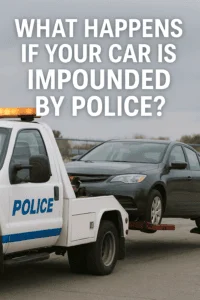
Seeing a car taken away on a tow truck under police orders is an unsettling experience. It happens suddenly, often without much explanation, and it leaves many people unsure of what comes next. Questions pile up fast—where is the car going, how serious is the situation, and what steps need to be taken to fix it?
An impound situation can feel overwhelming, especially if it’s unfamiliar. Many people assume the worst, expect long-term trouble, or believe the process will be complicated and expensive beyond control. In reality, while impoundments are inconvenient, they follow a structured process with clear rules and options.
Understanding how impound lots work makes a huge difference. Knowing why vehicles are impounded, what happens after the tow, how fees are calculated, and what actions matter most can save time, money, and stress.
This guide explains what happens when a car is impounded, the most common reasons it occurs, what to do immediately, how to retrieve the vehicle, and how to avoid repeat issues—using clear, practical language without unnecessary legal complexity.
Why Police Impound a Car in the First Place
Let’s start with the most basic question: why would police take a car at all?
Most people assume it only happens after some serious trouble, but the list is much broader. And often, the officer doesn’t have a choice because certain laws require impoundment.
Here are the most common situations we’ve seen or heard about:
1.1 Suspended or No Valid Driver’s License
If the person behind the wheel doesn’t have a valid license, police usually can’t let them drive away. In some areas, this automatically means a tow and impound.
1.2 No Proof of Insurance
Driving without insurance is treated as a bigger deal than many people realize. In many states, the car gets taken on the spot.
1.3 Unpaid Tickets or Court Issues
Some cities run plate scanners. If your car pops up with overdue fines or unresolved citations, it can be taken until those issues are cleared.
1.4 Abandoned or Illegally Parked Vehicles
If a car sits too long somewhere it shouldn’t or blocks traffic, police can remove it. Sometimes this happens without the owner even knowing.
1.5 Evidence in a Case
If a vehicle is connected to an investigation, police may hold it. This is one situation where getting it back can take longer.
1.6 Unsafe Operation or DUI
If the driver is intoxicated or the vehicle is unsafe, police don’t allow it back on the road.
Many situations feel embarrassing or frustrating, but the reality is simple: once the car is on that truck, there’s a clear set of steps you have to follow.
The Moment Your Car Is Taken — What Actually Happens
When the police decide your vehicle needs to be impounded, the process is predictable. It usually goes like this:
2.1 The Officer Calls for a Tow Truck
They don’t pick a company at random. Most cities have rotation lists. The next available tow company in the system gets the job.
2.2 You’re Given a Form or Notice
This small sheet of paper matters more than it looks. It usually includes:
- The name of the tow company
- The address of the impound lot
- A reference or incident number
- Contact information
- Sometimes the earliest day/time you’re allowed to retrieve your car
Keep this paper somewhere safe. People lose it far too often.
2.3 You Either Leave the Scene or Get a Ride
Depending on the reason for impound, you may be allowed to call someone to pick you up. If it’s related to a serious offense, police may take you elsewhere first.
2.4 The Car Goes to the Impound Lot
From that moment forward, your car is no longer in police control — it’s in the custody of the towing company under a police order. That’s why every extra day you leave it there adds more fees.
What Happens to Your Car Inside the Impound Lot
This is the part people imagine all sorts of horror stories about.
Let us explain what really happens.
3.1 Your Car Gets Logged Into the System
The lot records:
- Date and time it arrived
- Who ordered the impound
- Reason for impound
- Condition of the vehicle
- Any personal items visible from the outside
They do this to avoid disputes later.
3.2 It Usually Stays Outdoors
Most impound lots don’t have indoor storage unless the car is tied to a criminal case. Expect it to be outdoors, behind locked gates, often with cameras.
3.3 Your Personal Items Stay Inside
Unless they see something unlawful in plain view, employees don’t dig around your belongings. They’re not legally allowed to search your stuff without a valid reason.
3.4 Fees Start Adding Up
This is where people get caught off guard. You pay:
- Tow fee
- Daily storage fees
- Administrative fee (depending on city)
- Release fee
- Sometimes a special “police impound” surcharge
The longer the car sits, the worse the bill gets.
How to Get Your Car Back
Now let’s walk through the steps you’ll need to take. We’ll break it down in a simple, practical order.
Step 1: Confirm the Hold Status
Not every impound releases a car right away. Sometimes the police put a “hold” on it.
Common reasons for holds:
- Investigation
- Unpaid fines
- License issues
- Court requirements
- DUI cooling-off periods
Call the police department’s non-emergency line or the impound lot to ask:
“Is my vehicle cleared for release, and if so, what documents do I need to bring?”
Step 2: Gather the Required Paperwork
Usually you need:
- Government ID
- Vehicle registration
- Proof of ownership (title or loan statement)
- Insurance
- Any release form from the police
If any of these are missing (which happens often), you may need to:
- Go to the DMV
- Provide proof of purchase
- Contact your lienholder
- Get temporary insurance
- Request a duplicate registration
Step 3: Pay Any Outstanding Legal Issues
This includes:
- Tickets
- Court fees
- Past-due fines
- Late registration penalties
Some cities won’t release the car until everything is cleared.
Step 4: Go to the Police Station for a Release Form (If Required)
Not every city requires this, but if yours does, you’ll need to show the necessary documents and pay an administrative fee. They then give you a release slip to take to the lot.
Step 5: Pay the Tow Company and Retrieve the Car
Expect to pay with:
- Cash
- Card
- Sometimes certified funds
Tow lots vary, but most require full payment before allowing access.
They’ll bring your car to the gate and have you sign a release form. Inspect your car before leaving the lot. If something looks wrong:
- Take photos
- Report immediately
- Document everything
What If You Don’t Get the Car Back?
Some people decide not to retrieve a vehicle because the fees exceed the car’s value. Others simply delay too long.
Here’s what happens:
5.1 The Car Gets a Lien
After a certain number of days (varies by state), the tow company can place a lien on the vehicle.
5.2 It Is Held for a Legal Waiting Period
This gives the owner time to claim the vehicle or settle the debt.
5.3 The Car Goes to Auction
If the owner still doesn’t claim it, the car is sold at auction. This usually satisfies the lien. Unfortunately, this means you lose the vehicle.
5.4 Collection Agencies May Get Involved
If auction proceeds don’t cover the cost, the remaining balance might be sent to collections.
5.5 Your Driver’s Record or Financial History Could Take a Hit
Not retrieving a car won’t put points on your license, but unpaid debts can affect your credit.
Common Mistakes People Make—and How You Can Avoid Them
We’ve seen a lot of people panic in this situation and make things worse. Here are the big mistakes to avoid.
6.1 Waiting Too Long
Every day increases the storage fee. Don’t assume you can “get to it later.”
6.2 Arguing With Tow Employees
Tow lots follow strict orders. They can’t bend rules. Getting frustrated only slows the process.
6.3 Not Bringing the Right Documents
Many people show up without registration or ID and get turned away. Double-check before going.
6.4 Ignoring Court Requirements
If your situation involves court conditions, skipping them won’t make the problem go away.
6.5 Not Inspecting the Vehicle Before Leaving
Once you drive away, proving damage becomes harder.
How to Prevent Impound Situations in the Future
Nobody wants to go through this twice. Here’s how to avoid it entirely.
7.1 Keep Your Registration Current
Even a small lapse can lead to a traffic stop and impound.
7.2 Maintain Insurance at All Times
Not just for legal reasons—but to protect yourself financially.
7.3 Pay Tickets Early
Delays can snowball into big problems.
7.4 Park in Safe, Legal Areas
Avoid areas with tow-away zones or confusing restrictions.
7.5 Keep Your License Valid
Renew it before it expires.
7.6 Respond to Court Notices
Ignoring a notice doesn’t make it disappear. It only creates bigger issues.
7.7 Don’t Lend Your Car Without Trust
If someone else drives your car and gets it impounded, you’re still responsible for fees.
What to Tell Anyone Going Through This
When someone asks you, “What should I do first?” your answer is always simple:
Stay calm, get clear on the reason, and handle one step at a time.
Most impound situations feel overwhelming because nobody explains the process in plain language. Once you understand the steps, the stress goes down. Even in complicated cases, there’s always a path forward.
Final Thoughts
Having your car impounded is frustrating, embarrassing, and expensive. But it’s not the end of the world, and it definitely doesn’t need to be a mystery. The moment it happens, you enter a very straightforward chain of events—one that you can work through calmly.
We hope this guide gives you clarity, confidence, and a sense of control. If you ever find yourself (or someone you know) facing this situation, you’ll know exactly what to do, what to expect, and how to move quickly so the fees don’t build up.