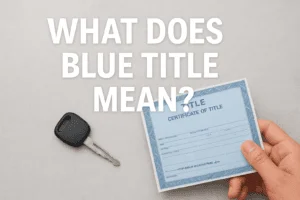
The term “blue title” often comes up during used car transactions, yet many buyers and sellers aren’t sure what it actually means. It may be mentioned casually, as if it explains everything about a vehicle’s paperwork, even though it rarely comes with any real clarification.
A blue title isn’t mysterious, but it is important. It refers to a specific type of vehicle ownership document, and misunderstanding it can lead to delays, financing problems, or legal complications after a sale. The color itself isn’t the issue—the information and status attached to that title are what truly matter.
Because title terminology varies by state and situation, confusion is common. Some people assume a blue title guarantees clean ownership, while others confuse it with salvage, lien, or rebuilt titles. These assumptions can be costly if they’re wrong.
This guide explains what a blue title means, why it exists, how it affects buying or selling a vehicle, and which details should always be verified before signing any paperwork. The goal is to provide clear, practical understanding so title documents feel manageable instead of intimidating.
What a Vehicle Title Really Represents
Before getting into color, it helps to understand what a title is.
A vehicle title is the legal document that proves ownership. It lists the current owner, the vehicle identification number, and any financial claims against the car. Without a title, you don’t truly own the vehicle, no matter how long you’ve been driving it.
The title also tells a story about the car’s history—whether it’s been financed, rebuilt, or written off at some point. That’s why details on a title matter more than most people realize.
So, What Does “Blue Title” Actually Mean?
A blue title usually means the vehicle has a clean ownership record and has not been declared a total loss by an insurance company. In many states, blue is simply the color used for a standard title document.
When someone says a car has a blue title, they’re usually trying to reassure you that:
- The vehicle has not been branded
- It hasn’t been classified as a total loss
- Ownership is clear and transferable
However, this isn’t universal. Title colors vary by state, and relying on color alone can be misleading.
Why Title Colors Exist at All
States use different colors to help visually separate types of vehicle records. Over time, colors became shorthand in the car world. Blue became associated with “clean,” while other colors often indicate a history worth looking into.
That said, the color itself doesn’t carry legal power. The status printed on the title is what matters.
Blue Title vs Other Title Types
Understanding the contrast helps make sense of why people care so much.
Clean Title (Often Blue)
- No major insurance write-offs
- No severe damage history reported
- Generally easier to insure and finance
Salvage or Rebuilt Titles
- Vehicle was previously declared a total loss
- May be roadworthy again, but history remains
- Often harder to sell or insure
Lien Titles
- A lender still has a legal claim
- Ownership isn’t fully transferred until paid off
A blue title usually falls into the first category, but you should always verify.
Why Sellers Emphasize a Blue Title
From a seller’s point of view, a blue title makes a vehicle easier to sell. Buyers feel safer. Banks are more willing to finance. Insurance companies are less cautious.
We’ve noticed that sellers often lead with “clean” or “blue” because they know buyers worry about hidden issues.
That doesn’t mean the seller is dishonest—it just means they’re highlighting what they believe is a strength.
Does a Blue Title Guarantee a Problem-Free Car?
No, and this is important.
A blue title does not mean:
- The car has never been in an accident
- All repairs were reported
- The vehicle is mechanically perfect
It only means the car hasn’t been officially classified in a way that changes its legal status.
We’ve seen vehicles with spotless titles and serious mechanical problems. Paperwork tells part of the story, not the whole thing.
How to Verify a Blue Title Properly
Never rely on someone’s word alone. Here’s what to do:
- Match the VIN on the title to the vehicle
- Check for liens listed on the document
- Review state branding language carefully
- Cross-check history through official records
Can a Blue Title Change Later?
Yes. If a vehicle is later involved in a major incident and declared a total loss, the title status can change. That’s why today’s clean paperwork doesn’t guarantee tomorrow’s.
This also explains why two cars from the same year and model can have very different values.
Does a Blue Title Affect Insurance?
Generally, yes—in a good way.
Cars with clean ownership records are easier to insure. Coverage options are broader, and claims tend to be simpler. Insurers are less cautious because the car doesn’t carry a documented high-risk history.
That doesn’t mean premiums will be cheap, but it does remove one obstacle.
Financing and a Blue Title
Lenders prefer vehicles with clean documentation. When a title doesn’t carry branding, banks feel more comfortable offering loans.
From what I’ve seen, financing options shrink quickly when title status changes.
What to Watch Out for Even With a Blue Title
Still pay attention to:
- Uneven panel gaps
- Fresh paint in odd places
- Inconsistent maintenance records
- Rushed sales tactics
A title is only one piece of the decision.
Common Misunderstandings
One of the biggest mistakes people make is assuming color equals condition. It doesn’t.
Another mistake is thinking all states treat titles the same way. They don’t. What’s blue in one state might be white or green in another.
Always read the wording, not just the color.
Should a Blue Title Increase the Price?
Usually, yes—but within reason.
A clean ownership record adds value, but it shouldn’t justify ignoring wear, mileage, or neglect. Compare the car’s condition first, then consider the paperwork.
When a Blue Title Really Matters
In my experience, it matters most when:
- You plan to resell later
- You want easy financing
- You want fewer insurance complications
If long-term ownership is your goal, mechanical condition still matters more day to day.
Final Thoughts
Understanding what a blue title means gave me confidence the next time you bought a vehicle. It didn’t make the decision for me, but it helped me ask better questions. And that’s really the point.
A blue title is a good sign, not a guarantee. When you pair clear paperwork with careful inspection and honest conversations, you put yourself in the best possible position.
If there’s one thing I’ve learned, it’s this: never rush paperwork. It tells a story worth reading carefully.