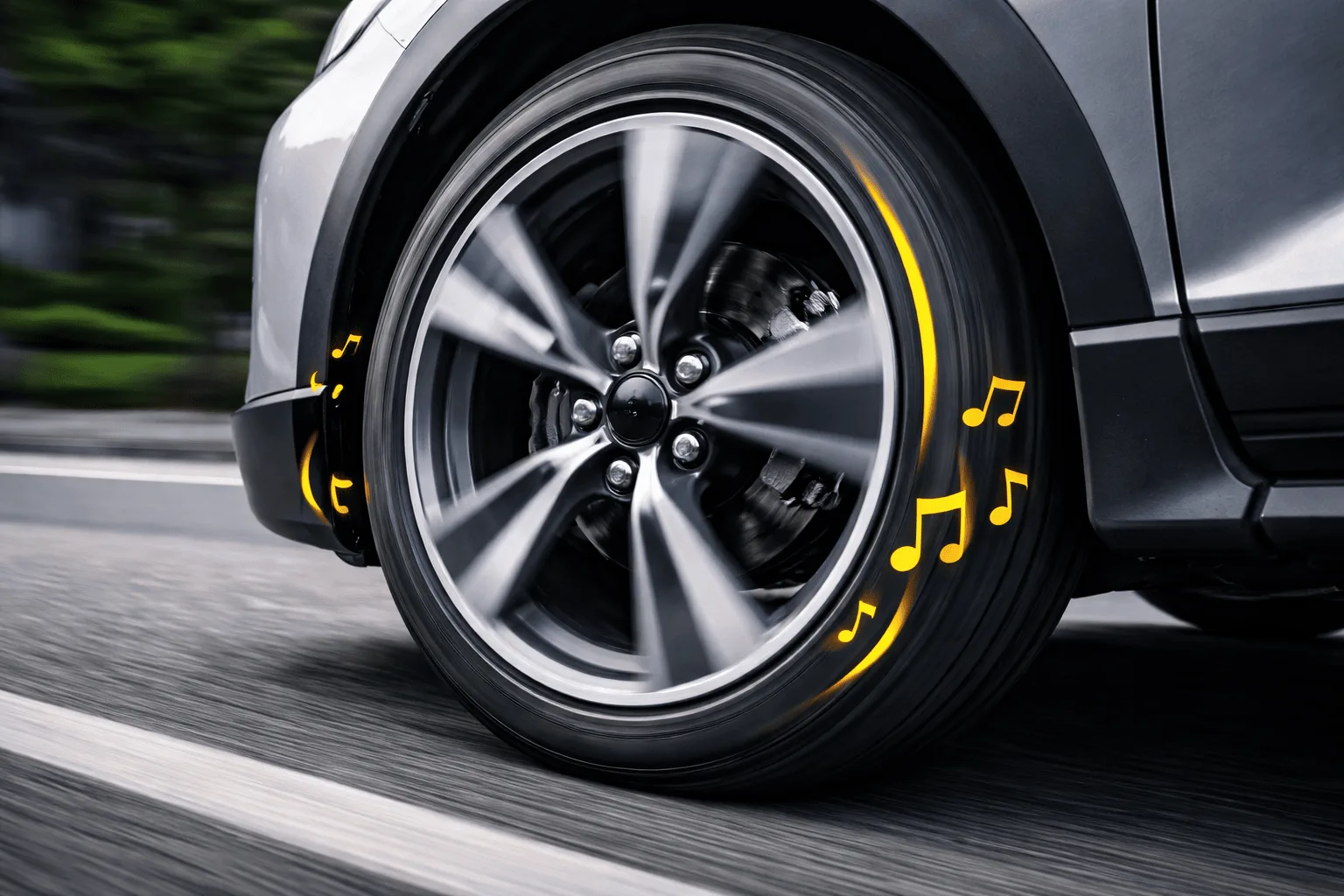
A ticking noise coming from one wheel while driving is easy to dismiss at first, especially when it’s quiet and only noticeable at low speeds. Because the vehicle may still steer, brake, and handle normally, the sound often gets mistaken for road noise or something stuck in the tire. Over time, however, a consistent ticking is rarely random.
Wheel-related ticking noises usually follow a pattern. They may change with vehicle speed, appear only while moving, or become more noticeable during slow driving or turns. These details matter, because the sound is often caused by a rotating component that is worn, loose, or interfering with another part.
The explanation that follows breaks down what a ticking noise from a wheel typically indicates, how different sources produce different sounds, which conditions deserve immediate attention, and when continued driving is risky. The focus is on identifying the cause logically so the issue can be addressed before it escalates into a safety or repair problem.
What a Ticking Noise From a Wheel Typically Sounds Like
Before diagnosing anything, it helps to describe the sound accurately.
A wheel-related ticking noise often:
- Repeats at a steady rhythm
- Speeds up as the car speeds up
- Slows down when the car slows
- Sounds sharper than a hum or rumble
It usually feels tied to wheel rotation rather than engine speed.
Why Wheel Noises Are Easier to Hear at Low Speeds
Mostly we notice the sound most at low speeds.
That’s because:
- Wind noise is minimal
- Engine noise is lower
- Reflections from nearby objects amplify sound
At highway speeds, ticking often gets drowned out.
Why the Noise Often Disappears When You Turn the Radio On
This doesn’t mean the problem went away.
It means:
- The sound is subtle
- It’s being masked by other noise
Mechanical problems don’t disappear because music is louder.
Why a Ticking Noise Shouldn’t Be Ignored
Even quiet ticking noises matter.
They often indicate:
- Something loose
- Something rubbing
- Something wearing unevenly
Small sounds usually come before bigger failures.
The First Thing You Check: Tire Condition
Tires can cause ticking if:
- A small object is embedded
- Tread is damaged
- Something is stuck between grooves
This is one of the most common and simplest causes.
Why Small Objects Cause Rhythmic Ticking
When something is stuck in the tire:
- It contacts the road once per rotation
- The sound repeats consistently
- The rhythm matches vehicle speed
A screw or nail can tick long before it leaks air.
Why Visual Inspection Matters
You learn to:
- Roll the car forward slowly
- Inspect the full tire circumference
- Look for shiny metal or unusual wear
This simple check solves many ticking noises.
Why Plastic or Road Debris Can Sound Metallic
Even non-metal objects can tick.
Plastic, stones, or debris can:
- Flick against the pavement
- Hit suspension parts
- Make sharp sounds
The sound isn’t always what you expect.
Brake Components Are a Very Common Source
Once the tire looked fine, moved to the brakes.
Brakes are often responsible because:
- They sit close to rotating parts
- Small clearances matter
- Wear changes how parts move
Brake-related ticking is extremely common.
Why Brake Dust Shields Cause Ticking
Dust shields are thin metal plates behind the rotor.
If they bend slightly:
- They can touch the rotor
- Create a ticking or scraping sound
- Change noise when turning
This often happens after hitting potholes.
Why the Sound May Change When Turning
If ticking gets louder or quieter when turning:
- Parts may shift slightly
- Clearances change
- The noise source moves
This is a major diagnostic clue.
Why Brake Pads Can Tick Even When Not Braking
Loose or worn brake pads can:
- Move slightly as the wheel rotates
- Tap against the caliper bracket
- Make rhythmic noises
This doesn’t always mean braking performance is affected — yet.
Why Anti-Rattle Clips Matter
These small clips:
- Keep brake pads stable
- Prevent movement and noise
If they’re missing or damaged, ticking can appear.
Why Brake Wear Indicators Can Make Noise
Some pads have wear indicators designed to make noise.
They can:
- Lightly contact the rotor
- Create ticking or chirping sounds
This is often a sign the pads are nearing replacement.
Why Wheel Speed Matters More Than Engine Speed
- Change with speed
- Ignore engine RPM
Revving the engine in neutral won’t affect the sound.
Why Bearings Usually Don’t Tick (But Sometimes Do)
Wheel bearings usually hum or growl.
However, in early stages:
- They can make clicking or ticking
- The sound may be subtle
- It often worsens when turning
Early bearing noise is easy to misjudge.
Why CV Axles Can Cause Ticking or Clicking
If your car has front-wheel drive or all-wheel drive, CV axles matter.
They can produce:
- Ticking sounds
- Clicking during turns
- Rhythmic noise at low speeds
This usually becomes more noticeable when steering.
Why CV Joint Noise Changes With Steering Angle
Turning changes:
- Joint angles
- Load distribution
If the sound intensifies during turns, CV components are worth considering.
Why Loose Lug Nuts Can Make Ticking Sounds
This surprised me.
Loose lug nuts can:
- Shift slightly
- Tap against the wheel hub
- Create ticking or knocking sounds
This is serious and should be checked immediately.
Why You Should Never Ignore Wheel Fasteners
Loose fasteners can:
- Damage the wheel
- Cause vibration
- Lead to wheel loss
Ticking may be the earliest warning.
Why Heat Shields Can Make Ticking Noises
Heat shields are thin and prone to loosening.
They can:
- Vibrate against other parts
- Tick as the wheel rotates
- Change sound with speed
They’re easy to overlook.
Why Suspension Components Can Be Involved
Some suspension parts rotate with the wheel or move with it.
Loose or worn components can:
- Make rhythmic sounds
- Shift under load
- Tick on bumps or turns
Suspension noise often mimics wheel noise.
Why the Noise Sometimes Only Appears on Certain Roads
Notice the ticking changed depending on surface.
Rough roads:
- Amplify vibration
- Make loose parts move more
Smooth roads can hide the sound.
Why Wet Conditions Can Change the Sound
Water can:
- Dampen sound
- Wash away debris
- Change friction points
If the noise disappears when wet, debris is likely involved.
Why Cold Weather Makes Ticking More Noticeable
Cold temperatures:
- Shrink metal components
- Increase clearances
- Make loose parts more obvious
Noise often decreases as things warm up.
Why Ignoring Ticking Rarely Ends Well
Ticking noises usually:
- Get louder
- Become more frequent
- Turn into grinding or knocking
Early attention prevents escalation.
How To Narrowed Down the Source
- Does it change with speed?
- Does it change when turning?
- Does braking affect it?
Patterns reveal the cause.
Why Sound Direction Can Be Misleading
Noise travels.
What sounds like:
- A front wheel
- Might actually be rear
- Or even under the car
Always verify location.
Why Recording the Sound Can Help
Recording helps:
- Replay patterns
- Compare changes
- Explain symptoms clearly
It’s more helpful than memory.
Why Jacking Up the Car Helps Diagnosis
Spinning the wheel by hand:
- Reveals contact points
- Exposes rubbing
- Confirms rotational noise
This step provides clarity quickly.
Why You Shouldn’t Just “Wait and See”
Waiting allows:
- Wear to increase
- Damage to spread
- Costs to rise
Most ticking noises don’t fix themselves.
When It’s Safe to Drive Short-Term
It may be okay briefly if:
- The sound is light
- No vibration is present
- Steering and braking feel normal
But monitoring is essential.
When You Should Stop Driving
I’d stop driving if:
- The sound suddenly worsens
- Vibration appears
- Steering feels unstable
- The noise turns into grinding
Those signs mean damage may be accelerating.
Why Small Fixes Often Solve Big Annoyances
Many ticking noises come from:
- Bent shields
- Loose clips
- Small debris
Simple fixes are common — but only if addressed early.
How to Handle New Noises Now
When you hear something new,
- Don’t panic
- Don’t ignore it
- Pay attention to patterns
That approach saves time and money.
Final Thoughts
A ticking noise from a wheel while driving may seem minor, but it’s rarely meaningless. From my experience, this sound is often a sign of something loose, worn, or rubbing — not an immediate disaster, but definitely something that deserves attention. The key is noticing how the sound behaves, when it appears, and what changes it.
If you take the time to listen carefully and respond early, most ticking noises can be resolved before they turn into serious problems. Cars give warnings long before they fail completely. Learning how to listen — calmly and clearly — is one of the most valuable skills any driver can have.
When your wheel starts ticking, it’s not trying to scare you. It’s trying to tell you something.