The Nissan Rogue has earned its place as one of the most popular compact SUVs on the road. It offers comfortable seating, smooth handling, and strong fuel efficiency, which makes it appealing for daily commuting and family use.
A major part of that efficiency comes from its continuously variable transmission, commonly known as a CVT. Unlike traditional automatic transmissions that shift between fixed gears, the CVT operates on a pulley system designed to deliver seamless acceleration.
While the design improves fuel economy and keeps engine speed steady, it has also been the subject of concern among some owners.
Reports of hesitation, shuddering, delayed acceleration, and premature wear have led many drivers to question long-term reliability. Transmission problems can feel unsettling because they affect how the vehicle responds to throttle input and movement.
Clear information helps separate normal CVT behavior from genuine warning signs. Knowing what symptoms to watch for, what causes those issues, and how to maintain the system properly allows owners to make informed decisions.
The following sections explore the most common Nissan Rogue transmission concerns and the practical steps that reduce risk.
How The Nissan Rogue Transmission Works
The Nissan Rogue primarily uses a CVT rather than a traditional geared automatic transmission.
Basic Operation Of A CVT
A CVT uses two variable-diameter pulleys connected by a steel belt or chain. As one pulley expands and the other contracts, the effective gear ratio changes smoothly. This allows continuous adjustment instead of fixed gear steps.
The result is steady acceleration without noticeable shifts.
Benefits Of The CVT Design
- Improved fuel efficiency
- Smooth acceleration
- Reduced engine strain at highway speeds
- Fewer moving parts compared to traditional gearboxes
These benefits make the system efficient for everyday driving.
Why CVT Systems Can Feel Different
Drivers accustomed to standard automatics may notice engine speed rising without traditional shift points. This is normal CVT behavior and not necessarily a fault.
Understanding this difference prevents unnecessary concern.
Most Common Nissan Rogue Transmission Problems
Transmission complaints often fall into predictable categories.
Hesitation During Acceleration
Some owners report delayed response when pressing the gas pedal. The engine may rev before the vehicle gains speed.
This hesitation can stem from software calibration, belt wear, or fluid issues.
Shuddering Or Vibrations
A shaking sensation during low-speed acceleration may indicate internal wear or improper belt tension within the CVT.
This symptom should be inspected early to prevent further damage.
Overheating Warning Messages
CVT systems rely heavily on proper fluid temperature. Overheating warnings may appear during long highway drives or in hot climates.
Cooling system efficiency plays a major role in preventing this issue.
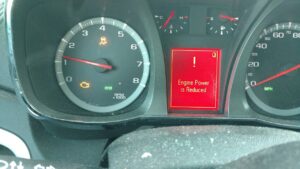
Sudden Loss Of Power
In more severe cases, the transmission may enter protective mode to prevent internal damage. Engine power becomes limited until the system cools.
Repeated occurrences require professional evaluation.
Unusual Noises
Whining, humming, or grinding sounds may indicate pulley or bearing wear.
Noise often increases with vehicle speed.
Causes Behind Nissan Rogue Transmission Issues
Identifying the cause helps determine the right solution.
Fluid Degradation Or Low Fluid Level
CVT fluid differs from regular automatic transmission fluid. It must maintain specific friction properties. Over time, fluid breaks down and loses effectiveness.
Failure to change fluid at recommended intervals increases wear.
Overheating From Heavy Load Or Poor Cooling
High temperatures degrade internal components. Towing heavy loads or driving in extreme heat without proper cooling stresses the system.
Additional cooling upgrades are sometimes recommended in hot regions.
Internal Belt Or Pulley Wear
The steel belt inside the CVT experiences constant tension. Over time, wear may reduce smooth operation.
Early replacement prevents full transmission failure.
Software Calibration Issues
Some hesitation or delayed response may result from outdated control software. Manufacturers occasionally release updates to improve performance.
Checking for technical service bulletins may resolve minor issues.
Model Years Most Frequently Mentioned
Certain model years receive more complaints than others.
Earlier Rogue models, especially those produced in the early to mid-2010s, are often associated with higher transmission concerns. Improvements have been made in later years, though maintenance remains critical.
Checking vehicle history and service records is important when buying used.
Warning Signs That Require Immediate Attention
Some symptoms should not be ignored.
Burning Smell
Overheated transmission fluid produces a noticeable burning odor.
This indicates excessive temperature and possible internal damage.
Slipping Sensation
If engine speed increases but vehicle speed does not match, slipping may be occurring.
This signals serious internal wear.
Transmission Fluid Leak
Red or dark fluid under the vehicle suggests a leak. Low fluid levels quickly lead to overheating and damage.
Leaks must be repaired promptly.
Repair Options And Cost Considerations
Repair costs vary depending on severity.
Fluid Replacement And Filter Service
Routine fluid service is the least expensive solution. It improves performance and extends lifespan.
This maintenance step is essential.
Software Update
In some cases, reprogramming the transmission control module resolves hesitation or shift behavior issues.
Dealerships or certified shops perform this service.
CVT Component Replacement
If internal parts are worn, replacing specific components may be possible, though many CVTs are replaced as complete units.
Replacement costs can be significant.
Extended Warranty And Coverage
Some model years were covered under extended warranty programs. Checking eligibility may reduce out-of-pocket expenses.
Documentation matters when pursuing coverage.
Preventive Maintenance For Long Transmission Life
Preventing transmission issues is more affordable than repairing them.
Follow Fluid Change Intervals
Changing CVT fluid at manufacturer-recommended intervals keeps internal components lubricated and cool.
Skipping this service increases risk.
Avoid Aggressive Acceleration
Gradual acceleration reduces strain on the belt and pulleys.
Smooth throttle input supports longevity.
Monitor Cooling System Health
Ensure radiator and cooling fans function properly. Overheating damages transmission components quickly.
Regular inspections help.
Address Warning Lights Promptly
Ignoring early warnings often leads to larger repairs.
Timely diagnostics protect the system.
Nissan Rogue Transmission Problems Versus Normal CVT Behavior
Not every unusual feeling indicates failure.
CVTs naturally hold engine speed steady during acceleration. This can feel different from gear changes. Light humming noise may also be normal.
Distinguishing normal design traits from malfunction reduces unnecessary worry.
Buying A Used Nissan Rogue With CVT
When considering a used Rogue:
- Review service records for fluid changes
- Test drive for hesitation or vibration
- Check for recall or warranty history
- Inspect for fluid leaks
Proper inspection reduces future risk.
Long Term Reliability Perspective
Many Nissan Rogue vehicles operate reliably for high mileage when maintained properly. Transmission longevity depends heavily on fluid condition, cooling efficiency, and driving habits.
Regular care extends lifespan significantly.
Final Thoughts
The Nissan Rogue’s CVT transmission delivers smooth acceleration and improved efficiency when functioning correctly. While some model years have experienced higher rates of complaints, many issues stem from fluid neglect, overheating, or delayed attention to early symptoms.
Hesitation, shuddering, unusual noises, and overheating warnings should never be ignored. Addressing these signs promptly limits internal wear and reduces repair costs. Routine maintenance, careful driving habits, and proper diagnostics are the foundation of reliable operation.
Transmission problems can feel concerning because they affect how the vehicle moves and responds. With informed awareness and preventive care, the CVT system can provide consistent performance for many miles. Reliable ownership begins with attention to maintenance and early action when warning signs appear.