A Ford Fusion that shows normal electrical power but refuses to start is a common diagnostic scenario. Interior lights, infotainment, and dashboard displays operate on circuits that are separate from the systems responsible for cranking the engine.
When those starting systems fail or are interrupted, the vehicle can appear fully functional while remaining completely silent during start attempts.
Understanding what this condition means, which components are most often responsible, and how the issue is typically diagnosed helps narrow the problem quickly and avoid unnecessary repairs.
What “Has Power but Won’t Start” Really Means
When people say their car has power but won’t start, they usually mean:
- dashboard lights turn on
- interior lights work
- radio and accessories function
- sometimes you hear a click, sometimes nothing
This tells us something important right away.
The battery is not completely dead.
That doesn’t mean the battery is healthy, but it does mean the issue is more specific than “no power at all.” At this point, the problem is usually related to:
- starting system components
- safety systems
- electrical signals
- fuel or ignition authorization
Understanding this helps avoid wasted time and money.
The Ford Fusion Starting System (Simple Explanation)
The Fusion’s starting system relies on several components working together at the same moment:
- battery
- starter
- ignition switch or push-button system
- brake pedal switch
- transmission safety switch
- engine control module
- anti-theft system
If even one of these doesn’t send the correct signal, the engine won’t crank—even if everything else lights up normally.
That’s why this issue can feel so confusing.
Weak Battery: The Most Common Surprise
This was the first thing you should check.
Even if the lights turn on, a weak battery can still prevent the engine from starting.
Starting the engine requires much more power than:
- turning on lights
- running the radio
- powering the dashboard
If the battery voltage drops too low under load, the starter won’t engage.
Signs of a weak battery include:
- clicking sound when trying to start
- lights dimming when you press the start button
- repeated attempts making things worse
- car starting after a jump but failing again later
In my case, the battery looked fine, but testing showed it couldn’t deliver enough current.
Battery Connections and Grounds Matter More Than You Think
A healthy battery doesn’t help if the connections are poor.
Loose or corroded battery terminals can:
- allow small electrical loads to work
- block high-current flow to the starter
- cause intermittent no-start issues
Also check:
- positive terminal tightness
- negative cable condition
- engine ground connections
- corrosion hidden under terminal covers
Cleaning and tightening these connections solved the issue for some Fusion owners without replacing any parts.
Brake Pedal Switch Issues (Push-Button Models)
Many Ford Fusion models require the brake pedal to be pressed before starting.
If the brake pedal switch fails:
- the car thinks you’re not pressing the brake
- the engine won’t crank
- everything else still powers on
Clues this might be the issue:
- brake lights don’t turn on
- message appears asking to press brake
- starter doesn’t respond at all
This switch is small, inexpensive, and often overlooked.
Transmission Safety Switch Problems
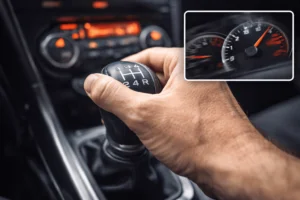
The Fusion won’t start unless it thinks the transmission is in Park or Neutral.
If the car:
- doesn’t recognize gear position
- thinks it’s in Drive or Reverse
- has a faulty range sensor
the starter will be disabled.
Things that helped me test this:
- shifting from Park to Neutral and trying to start
- watching the gear indicator for flickering or incorrect display
Sometimes simply reseating the shifter or cycling gears reveals a bad sensor.
Starter Motor Failure
This is one of the most common causes once battery and connections are ruled out.
A failing starter can:
- click but not spin
- work intermittently
- stop working without warning
Starters often fail due to:
- internal wear
- heat exposure
- age
On some Fusion models, the starter is located in a tight area, which can make replacement more expensive—but failure symptoms are usually clear once tested.
Ignition Switch or Start Button Issues
Traditional key-based Fusions and push-button models can both suffer ignition signal problems.
If the ignition switch or start button:
- doesn’t send a proper signal
- has worn contacts
- fails internally
the car will act like it’s ignoring your request to start.
Common signs include:
- no crank, no click
- accessories working normally
- repeated attempts doing nothing
This failure is less common but does happen as vehicles age.
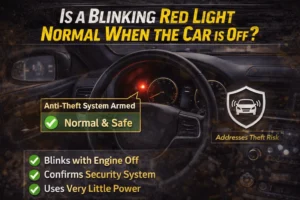
Anti-Theft System Problems
This was one of the most frustrating possibilities.
Ford’s security system can prevent the engine from starting even when power is present.
If the system doesn’t recognize the key or fob:
- the starter is disabled
- the engine won’t crank
- the car may show a warning or flashing light
Possible causes include:
- weak key fob battery
- damaged transponder chip
- antenna ring issues
- system glitches
Trying a spare key or replacing the fob battery is a quick and inexpensive test.
Fuse and Relay Issues
A blown fuse or failed relay can stop the starter circuit completely.
Even if everything else works, a single relay failure can:
- prevent power from reaching the starter
- create a silent no-start condition
You should check:
- starter relay
- ignition relay
- power distribution box
- interior fuse panel
Swapping relays with a known good one of the same type can quickly confirm the problem.
Engine Control Module and Software Issues
This is less common, but it does happen.
Software glitches or module communication problems can:
- block the start command
- misinterpret sensor data
- leave the car stuck in a no-start state
Sometimes:
- disconnecting the battery briefly
- allowing modules to reset
can temporarily restore starting—but this is not a permanent fix.
Fuel System Isn’t Usually the Cause (At First)
When the engine doesn’t crank at all, fuel issues are less likely.
Fuel problems usually cause:
- cranking with no start
- sputtering
- rough attempts to fire
If the engine doesn’t turn over at all, focus on electrical and authorization systems first.
How to Solve the Problem Step by Step
Here’s the exact process you follow:
- Checked battery voltage under load
- Inspected and cleaned battery terminals
- Verified brake lights functioned
- Tried starting in Neutral
- Listened for starter clicks
- Checked starter relay and fuses
- Tested the battery with proper equipment
This logical approach prevented unnecessary part replacement.
Why Jump-Starting Isn’t Always the Answer
Jump-starting can be misleading.
If a jump works:
- the battery is weak or failing
If it doesn’t:
- the issue is elsewhere
But sometimes:
- a battery can accept a surface charge
- still fail under load
- confuse diagnosis
That’s why proper testing matters.
Why This Problem Can Appear Suddenly
Many components involved in starting fail without warning.
Things like:
- starter solenoids
- brake switches
- battery internal cells
can work one moment and fail the next.
That sudden failure is what makes this issue feel so alarming.
Is It Safe to Keep Trying to Start the Car?
Repeated attempts can:
- drain the battery further
- stress electrical components
- complicate diagnosis
If the car won’t start after several attempts, it’s better to pause and diagnose instead of forcing it.
Common Mistakes to Avoid
I’ve seen people:
- replace starters before testing batteries
- replace batteries without checking terminals
- ignore brake light function
- overlook simple relay failures
- assume the worst immediately
Most no-start issues are simpler than they first appear.
When to Call a Professional
If you’ve:
- confirmed battery health
- checked connections
- verified fuses and relays
- ruled out brake and gear issues
and the car still won’t start, professional diagnostics can save time and money. A technician can read live data and test components directly.
What You Do Differently Next Time
If this happens again, You’ll:
- test the battery immediately
- inspect grounds first
- verify brake switch operation
- check relays before assuming major failures
Experience makes the process calmer and faster.
Final Thoughts
If you’re facing this issue now, take a breath. The presence of power is actually a helpful clue. It narrows the problem and points you toward a logical path instead of a dead end.
With patience and the right checks, most Fusion no-start problems can be diagnosed—and fixed—without unnecessary stress or expense.