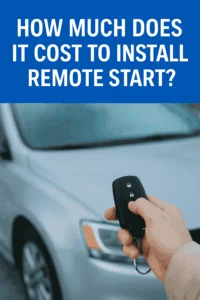
Remote start systems have become one of the most popular aftermarket upgrades for modern vehicles. They allow drivers to start the engine from a distance, giving the cabin time to heat or cool before driving.
While the convenience is clear, the cost of installing remote start varies widely depending on the vehicle, system type, and installation method. This article breaks down remote start pricing, installation options, compatibility factors, and long-term considerations so you can decide whether it’s worth the investment.
What Remote Start Really Is and How It Works
A remote start system isn’t just a button that turns your car on. It’s a combination of wiring, electronics, and safety features that tell your vehicle to start while keeping everything secure.
Most systems include:
- A remote or key fob
- A control module
- Wiring harnesses
- Safety sensors
- Optional phone app integration
The system communicates with your vehicle’s ignition and engine controls. When you press the button, it reproduces the same sequence as turning a key or pressing a push-to-start button. The doors remain locked, and the car cannot be driven without inserting the key or having the smart key inside.
Because modern cars use complex electronic systems, installation isn’t as basic as connecting two wires. And this complexity is a major reason why pricing can vary.
How Much Does It Cost to Install Remote Start?
Average Price Range
Most people spend $250 to $600 for both the remote start unit and professional installation. But prices can go lower—or much higher—depending on what type of system you choose and what your car requires.
To give you a clearer picture, here’s a breakdown:
1. Basic Remote Start System
- Cost: $150–$300 installed
- Includes: Simple remote start, short-range one-way remote
- Ideal for: Older cars, people who just want to warm up or cool down their car
2. Mid-Range Remote Start System
- Cost: $300–$500 installed
- Includes: Longer range, two-way remote (confirms engine start), more features
- Ideal for: Daily drivers, those who want reliability and convenience
3. Premium Remote Start Systems
- Cost: $500–$900+ installed
- Includes: Smartphone control, GPS, advanced security, long range
- Ideal for: Modern vehicles, tech-oriented drivers, harsh weather areas
Why Prices Vary So Much
Here are the biggest factors:
1. Your Car’s Make and Model
Some cars are straightforward. Others need extra parts called bypass modules so the remote start can work with the factory security system. These modules add $40–$150 to the bill.
Cars that usually require more complex installations include:
- Push-button start vehicles
- Newer trucks
- European brands like BMW, Mercedes, Audi
- Vehicles with factory anti-theft immobilizers
2. Type of Remote Start Unit
A simple system costs less. A smartphone-controlled system costs more because it includes:
- Data service
- Advanced electronics
- Additional modules
Some systems also require subscriptions for app control, typically $40–$80 per year.
3. Labor Costs
Installing a remote start takes anywhere from 2 to 6 hours depending on:
- Wire routing
- The complexity of your ignition system
- Vehicle electronics
- Whether additional features are added
Shops may charge a flat rate or hourly rate. Dealers are usually the most expensive, while independent specialists are often more affordable but equally qualified.
Adding Extra Features Increases the Cost
You can include many add-ons remote start units. Some are optional luxuries, while others might be necessary depending on your needs.
Here are the most common upgrades:
• Keyless Entry Integration (+ $40–$150)
If your vehicle doesn’t already have keyless entry, this feature can be added.
• Security/Alarm System (+ $100–$250)
This includes sensors, sirens, and advanced theft protection.
• Smartphone App Control (+ $100–$300)
Lets you start your car from anywhere you have a data connection.
• Extended Range Remote (+ $40–$100)
Great for people who park far from their home or office.
• Heated Seat Activation (+ $40–$80)
Automatically turns on your heated seats if your car supports it.
Remember: more features mean more installation time—which raises the price.
Should You Install Remote Start Yourself?
This is one upgrade where doing it yourself is usually not a good idea unless you have experience with automotive wiring.
Why DIY Installation Is Risky:
- Incorrect wiring can damage the vehicle’s electrical system.
- Modern cars have sensitive security modules.
- Mistakes may void warranties.
- Safety systems like brake interlocks must be installed correctly.
The money you might save upfront can turn into thousands of dollars in repairs later.
For most people, professional installation is the safest and smartest choice.
What Professional Installers Actually Do
Here’s what professional installers do :
- Accessing the ignition wiring and ECM area
- Connecting the remote start module securely
- Integrating safety features
- Programming the system to your specific vehicle
- Testing everything—from hood sensors to brake shutoff
- Ensuring the vehicle remains fully secure
It’s far more than wiring two points together. Proper installation makes the system safe, reliable, and long-lasting.
Can a Remote Start Void Warranty?
Many people worry about this. After doing our research and talking to professionals, here’s the truth:
A remote start installation does not void your warranty as long as:
- It is installed correctly
- It does not cause damage to your vehicle
Manufacturers in the U.S. are bound by the Magnuson-Moss Warranty Act, which protects you from warranty denial unless the aftermarket part caused the problem.
Where to Get Remote Start Installed
You can go to:
1. Dealerships
- Pros: Familiar with your specific vehicle
- Cons: Usually most expensive
2. Car Audio & Electronics Shops
- Pros: Often the best price and most experienced
- Cons: Quality varies, so choose a reputable shop
3. Chain Stores (depending on region)
Some offer reliable installations with warranties.
My best suggestion is to choose a place that specializes in automotive electronics, not a general mechanic.
Signs You’re Getting a Good Installation Shop
Here’s top signs you are choosing right one shop:
- They explained everything clearly
- They used clean wiring techniques
- They provided a warranty on labor
- They had experience with my car model
- They avoided shortcuts
A good installer will ask you what features matter most instead of pushing the most expensive system.
How Long Does Installation Take?
Depending on your vehicle:
- Standard cars: 2–3 hours
- Push-button start models: 3–5 hours
- Luxury brands: 4–6+ hours
If extra features are added, expect more time. It’s best to leave your car for the day.
Is Remote Start Worth the Cost?
Absolutely. Here’s why.
Comfort
Stepping into a warm or cool cabin makes a huge difference daily.
Engine Care
Warming the engine in cold weather helps the oil circulate properly.
Convenience
You can start your car while preparing for work, carrying groceries, or walking out of a store.
Resale Value
Buyers often see remote start as a useful bonus.
Tips to Save Money on Remote Start Installation
If you want the most value without compromising safety, here are some smart tips:
1. Choose a mid-range system
Most people don’t need the most expensive version.
2. Avoid unnecessary add-ons
Extra features add up quickly.
3. Look for seasonal discounts
Shops often offer deals in warmer months.
4. Bring your own unit (if the shop allows)
Just make sure they install a compatible one.
5. Use a specialist
They work faster, meaning lower labor cost.
Common Myths About Remote Start
“My car will be easier to steal.”
Not true. The doors stay locked, and the car cannot be driven without the key.
“It wastes fuel.”
Actually, most people remote start for only a few minutes.
“It’s bad for the engine.”
Modern engines are built to handle idle time safely.
Final Thoughts
Whether you’re dealing with freezing winters or roasting summers, having your car ready before you step inside is something you instantly appreciate.
The cost—usually anywhere from $250 to $600—depends on what features you choose and what your vehicle requires. But as long as you work with a skilled installer and pick a reputable system, it’s an upgrade that pays off in comfort, convenience, and overall satisfaction.
If you ever wished your car could warm up or cool down ahead of time, remote start is one of the best upgrades you can choose.