
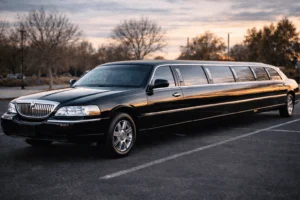
For a long time, limousines felt like a world I wasn’t meant to touch. They seemed reserved for red carpets, corporate fleets, and once-in-a-lifetime events—long, polished vehicles that had to cost a fortune just to exist. I never questioned it. I just assumed ownership was off the table for anyone outside that bubble.
Then curiosity kicked in. Not about renting one for a night, but about ownership. What does it actually cost to buy a limousine? That simple question opened a door I didn’t expect.
The answers were all over the place. Some limos were priced closer to everyday vehicles than I imagined. Others carried price tags that made them luxury assets rather than cars. And the real surprise wasn’t just the purchase price—it was everything that came after it.
What follows is a clear breakdown of limousine ownership: how prices vary, why two limos can cost wildly different amounts, what ongoing expenses catch buyers off guard, and when buying one makes sense versus when it absolutely doesn’t. Straight facts, no glamour filter—just the reality behind owning one of the longest vehicles on the road.
What Counts as a Limousine?
Before talking about price, it’s important to define what a limo actually is.
A limousine isn’t just a long car. It’s a vehicle that has been:
- Extended beyond factory length
- Professionally modified
- Designed for passenger comfort rather than driving dynamics
Some are factory-built. Most are converted after leaving the manufacturer.
Why Limo Prices Vary So Much
The price range exists because limos differ in:
- Base vehicle type
- Length and seating capacity
- Interior features
- Build quality
- Brand reputation
A basic stretch limo and a high-end luxury build are worlds apart.
Entry-Level Limousines: The Lower End of the Market
This surprised me the most.
Used entry-level limousines can sometimes be found at prices similar to used cars.
Typical price range:
- $20,000 to $40,000
These are usually:
- Older models
- High mileage
- Basic interior features
- Previously used for commercial service
They may look impressive, but condition matters more than appearance.
Why Used Limos Can Be Surprisingly Affordable
Limousines depreciate quickly.
Reasons include:
- Limited buyer market
- High maintenance costs
- Commercial wear and tear
- Specialized insurance needs
Many owners sell them cheaply just to move on.
Mid-Range Limousines: The Most Common Option
Most people who buy limos fall into this category.
Typical price range:
- $40,000 to $90,000
These usually include:
- Updated interiors
- Better sound systems
- Lighting features
- More reliable mechanical condition
This range balances appearance, comfort, and usability.
High-End Limousines: Where Costs Rise Fast
High-end limousines are luxury vehicles in every sense.
Typical price range:
- $90,000 to $150,000+
These often feature:
- Premium materials
- Custom lighting
- Advanced entertainment systems
- Brand-new or nearly new builds
At this level, customization drives cost more than the vehicle itself.
Ultra-Luxury and Custom Builds
Some limousines are built without a strict budget.
Prices can exceed:
- $200,000
- $300,000 or more
These are often:
- Custom-built from scratch
- Designed for VIP transport
- Built for branding or exclusivity
These aren’t practical purchases — they’re statement vehicles.
What the Base Vehicle Does to the Price
The original vehicle matters more than people realize.
Common bases include:
- Large sedans
- Luxury SUVs
- Executive vans
A limo built from a premium base costs significantly more.
Why Brand Influences Cost
Brand perception affects:
- Purchase price
- Resale value
- Maintenance cost
A luxury badge often increases price even if functionality is similar.
Interior Features That Raise the Price
Interior upgrades add up quickly.
Common cost drivers:
- Leather upholstery
- LED lighting systems
- High-end sound systems
- Privacy partitions
- Climate controls
Every upgrade increases both price and maintenance complexity.
Length Matters More Than You Think
Longer limos cost more.
Reasons include:
- Structural reinforcement
- Added materials
- Increased labor
- Higher safety requirements
Each additional foot adds cost, weight, and maintenance responsibility.
Why Build Quality Matters More Than Looks
Two limos can look identical but be priced very differently.
Quality differences show up in:
- Welding and structural integrity
- Electrical system reliability
- Interior durability
Cheap builds cost more later.
Why New Limousines Cost So Much More
New limos include:
- New base vehicles
- New components
- Warranty coverage
- Updated safety standards
That peace of mind comes at a premium.
Why Used Limos Require Extra Caution
Most used limos were:
- Commercial vehicles
- Driven hard
- Maintained minimally to cut costs
A low purchase price can hide expensive problems.
Maintenance Costs Most Buyers Don’t Expect
Owning a limo isn’t like owning a normal car.
Maintenance costs are higher due to:
- Specialized parts
- Longer systems
- Increased wear
Repairs are rarely cheap.
Fuel Costs Add Up Quickly
Limousines are heavy.
That means:
- Poor fuel efficiency
- Frequent refueling
- Higher operating costs
Fuel becomes a major expense over time.
Insurance Costs Can Be Surprising
Insurance depends on:
- Usage type
- Vehicle value
- Passenger capacity
Commercial use raises premiums significantly.
Storage Is Often Overlooked
A limo doesn’t fit everywhere.
You may need:
- Large garage space
- Secure storage
- Weather protection
Storage costs are real and ongoing.
Registration and Licensing Fees
Some areas require:
- Special registration
- Commercial licensing
- Passenger transport permits
These add recurring costs beyond purchase price.
Why Tires and Brakes Cost More
Limos stress components more.
That leads to:
- Faster tire wear
- Larger brake systems
- More frequent replacements
Routine service is more expensive than expected.
Resale Value: What to Expect
Limos don’t hold value well.
Selling one later may:
- Take time
- Require price cuts
- Depend on condition
Buying smart helps minimize loss.
Is Buying a Limo Ever a Smart Financial Move?
It depends on purpose.
It may make sense for:
- Event companies
- Branding vehicles
- Specialty transport
For personal use, it’s usually about passion, not logic.
Why Many Owners Regret Buying Without Research
Most regrets come from:
- Underestimating costs
- Overestimating demand
- Ignoring maintenance realities
The purchase price is only the beginning.
What About Budgeting for a Limo
Think it in layers:
- Purchase cost
- Setup and upgrades
- Monthly operating costs
- Long-term depreciation
Skipping any layer leads to surprise expenses.
Why Renting Often Makes More Sense
For most people:
- Renting avoids maintenance
- No storage concerns
- No resale stress
Ownership only makes sense with a clear reason.
Why Passion Purchases Require Extra Honesty
A limo is emotional.
That’s fine — as long as expectations match reality.
How You Should Approach Buying One Today
You should:
- Define purpose clearly
- Set a realistic budget
- Inspect professionally
- Plan for long-term costs
Emotion comes second to preparation.
Final Thoughts
So, how much does a limo cost to buy? From my experience and research, prices can range from around $20,000 for older used models to well over $200,000 for custom luxury builds. But the purchase price is only part of the story. Maintenance, insurance, fuel, storage, and depreciation all shape the real cost of ownership.
Buying a limo isn’t just about owning something flashy. It’s about understanding what that ownership demands. When approached with clear expectations and careful planning, it can be rewarding. When rushed or underestimated, it can become an expensive lesson.
If you’re considering buying a limousine, knowledge is your best investment — and now you have a solid place to start.