German cars have long carried a reputation for precision engineering, solid construction, and distinct driving character. Whether it’s the athletic balance of a BMW sedan, the refined luxury of a Mercedes-Benz, or the practical durability associated with Volkswagen, each brand reflects a clear philosophy about how a vehicle should perform and feel.
That reputation isn’t built on marketing alone. It’s reflected in details—tight body tolerances, composed handling at speed, structured cabin design, and a focus on engineering discipline. German manufacturers often approach vehicle development with defined identities, whether centered on performance, luxury, innovation, or everyday usability.
At the same time, no brand is perfect. Each has strengths, weaknesses, and historical moments that shaped its direction. Understanding those differences helps explain why German automakers continue to influence the global automotive market.
This guide explores the core German car brands that form the backbone of Germany’s automotive identity—what defines each one, where they excel, where they face criticism, and why they remain so influential worldwide.
What a U-Joint Does (And Why It Matters)
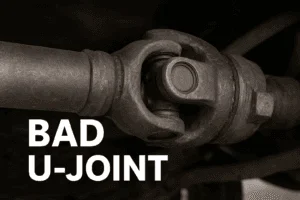
A U-joint, short for universal joint, sits on the driveshaft and allows it to flex as the suspension moves. Your wheels don’t sit perfectly still relative to the transmission. Every bump, dip, and turn changes angles slightly. The U-joint absorbs that movement while still transferring power.
When it’s healthy, you never think about it. When it starts failing, you feel everything.
What “Bad” Really Means in This Case
A bad U-joint doesn’t usually fail all at once. It wears gradually. Grease dries out. Bearings loosen. Metal rubs metal.
A failing joint may still work — for a while — but it’s no longer doing its job correctly. That’s where the risk starts.
So, How Long Can You Drive With a Bad U-Joint?
This is the question everyone asks, and the answer depends on how bad it is, not just that it’s bad.
From what we’ve seen and experienced, here’s the realistic breakdown:
- Mild wear: A few days to a few weeks, if you’re careful
- Noticeable noise and vibration: Days, not weeks
- Clunking, binding, or shaking: You’re on borrowed time
- Severe play or grinding: Don’t drive it
There’s no safe mileage number. A U-joint can fail suddenly, especially under load or at highway speeds.
Early Warning Signs
Looking back, the signs were there long before things got serious.
Clunking When Shifting
That solid “thud” when going from park to drive or reverse is often the first clue.
Vibration That Changes With Speed
This isn’t a steering wheel shake. It feels like it comes from underneath you and gets worse as speed increases.
Squeaking at Low Speeds
A dry U-joint can squeak, especially when pulling away slowly.
Delayed Throttle Response
You press the pedal, and there’s a split-second delay before the car moves. That slack is coming from worn components.
What Happens If You Keep Driving Anyway
This is where things get expensive — and dangerous.
Driveshaft Damage
A failed U-joint can throw the driveshaft out of balance or cause it to drop entirely.
Transmission or Differential Damage
When a joint binds or breaks, shock loads travel straight into other drivetrain parts.
Loss of Vehicle Control
At speed, a broken driveshaft can dig into the pavement or slam into the underbody.
We’ve seen vehicles disabled instantly from this.
City Driving vs Highway Driving
People often assume short trips are safe. That’s not always true.
- City driving: More stop-and-go stress, more torque
- Highway driving: Higher speeds, more vibration damage
Both are risky once symptoms appear.
Weather and Load Make It Worse
Cold weather stiffens grease. Heavy loads increase torque. Towing with a bad U-joint is especially dangerous.
If any of those apply, your safe window shrinks fast.
Why This Part Fails So Often
U-joints live under constant stress. Many modern vehicles have sealed joints with no grease fittings. Once lubrication dries out, wear is inevitable.
Age, mileage, and exposure all play a role.
Is It Ever “Okay” to Keep Driving Temporarily?
If the issue is:
- Barely noticeable
- Recently started
- Not accompanied by vibration
…you might make it home or to a shop safely.
But this is not something I’d postpone for convenience. It doesn’t get better on its own.
What a Repair Usually Involves
Replacing a U-joint typically includes:
- Removing the driveshaft
- Pressing out the old joint
- Installing a new one
- Rebalancing if needed
It’s far cheaper than dealing with secondary damage.
Cost vs Risk
From my experience, this is one of those repairs where waiting costs more — financially and mechanically.
A relatively modest repair can prevent:
- Driveshaft replacement
- Transmission damage
- Roadside breakdowns
How to Decide Whether to Drive or Park It
Follow this:
- Noise only: Drive carefully to repair
- Vibration: Limit driving immediately
- Clunking plus vibration: Park it
If the car feels unpredictable, it’s telling you something.
Preventing Future U-Joint Problems
What helps:
- Regular inspections
- Addressing vibrations early
- Avoiding overloads
- Replacing worn components promptly
These joints don’t give unlimited warnings.
Final Thoughts
A bad U-joint is one of those problems that quietly escalates. It doesn’t scream for attention until it’s too late. I’ve learned that when the underside of your vehicle starts talking to you — through noise, vibration, or feel — listening early saves a lot of trouble later.
If you’re asking how long you can drive with a bad U-joint, the honest answer is: not as long as you think. Fixing it sooner is always the smarter move.