Speed is one of the most misunderstood ideas in the car world. “Fast” can mean blistering acceleration, high top speed, quick lap times, or simply how intense a car feels when power is delivered instantly. Under a $100,000 budget, those definitions matter even more, because no single metric tells the whole story.
Modern performance cars achieve speed in very different ways. Some rely on raw horsepower and traction, others on low weight and gearing, and many newer models use electric torque to deliver instant response. As a result, two cars with similar price tags can feel dramatically different depending on how and where they’re driven.
The discussion ahead compares the fastest cars available under $100,000 by looking at real-world performance measures—acceleration, usable power, drivetrain behavior, and overall speed delivery—rather than marketing claims alone. The emphasis is on identifying which vehicles offer genuine performance value and how “fast” should be interpreted in practical terms, not just numbers on paper.
How to think about “fastest” — the numbers aren’t the whole story
When people say “fastest,” they usually mean one of two things: the quickest 0–60 mph time, or the highest top speed. Both are valid, but they tell different stories.
0–60 times show how quickly a car gets moving from a stop. That feels dramatic to most drivers and is the stat used in comparison tests. Top speed matters less for everyday driving (and is limited by law and safety concerns).
There’s also the “real-world speed” — how quickly the car accelerates at highway speeds, how it responds when you overtake, how immediate the throttle feels. Those things matter on real roads.
Another important factor: usability. A car that’s blisteringly quick but impossible to live with daily won’t make sense for many buyers. So when I recommend cars under $100k, I look for a balance of outright speed, control, and everyday usefulness.
Why price matters (and why $100k is a useful line)
$100k is a useful boundary because it separates ultra-luxury and exotic machines from cars many passionate buyers can realistically afford. Under that line you can still find cars that accelerate like supercars, but without the extreme maintenance or insurance costs that come with six-figure exotics.
The goal is maximum performance for sensible money — real cars you can drive home and enjoy.
Categories that matter for “fastest under $100k”
Not all fast cars are the same. They usually fall into a few meaningful groups:
- Sports coupes and roadsters — light, focused, often the most playful.
- Performance sedans and coupes — combine speed with everyday comfort.
- High-performance EVs — instant torque, blistering acceleration at a wide range of prices.
- American muscle and V8 cars — raw power and strong straight-line speed.
- Hot hatches and sporty compacts — surprising speed in a practical package.
I’ll walk through representative examples from those groups that, in my experience and from reliable tests, offer the best combination of speed and value under $100k.
My top picks (practical, real-world fast cars under $100k)
1) Chevrolet Corvette Stingray — the supercar-feel that stays under the limit
The Corvette offers near-supercar acceleration and handling without the supercar sticker shock. It’s mid-engine, beautifully balanced, and brutal in a fun way when you ask for it.
What it delivers: In independent testing the Stingray has produced 0–60 mph times in the high 2-second range (around 2.8 — 2.9 seconds under test conditions), making it one of the quickest non-exotic cars you can buy for well under $100k in many configurations.
It’s a car that feels explosive off the line yet composed on a curvy road. On weekends or canyon runs it’s exhilarating, and honestly, it’s more livable than people expect for grocery runs and short trips.
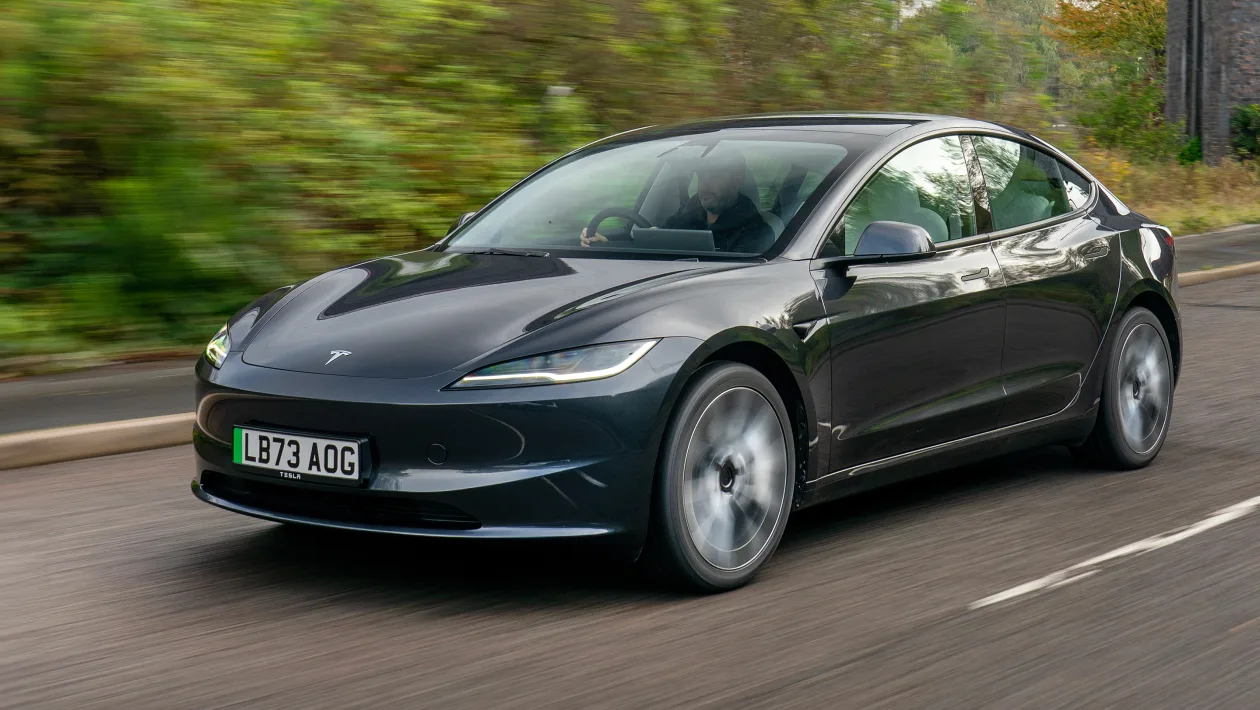
2) Tesla Model 3 Performance — instant torque, everyday usability
If you want straight-line shock-and-awe with zero fuss, a modern high-performance EV is hard to beat. The Model 3 Performance gives astonishing acceleration, with real-world runs in the sub-3-second range for 0–60 mph in many tests and manufacturer specs — and it does this while still being a sensible, five-seat electric sedan.
What it delivers: Instant torque off the line, fast real-world passing power, and a tech-rich, efficient package that’s cheap to run relative to gas supercars.
Road trips and daily driving are practical, and if you enjoy launch-control-style acceleration, the EV’s immediacy is addictive.
3) Kia EV6 (GT) — electric performance that surprises
The EV6 GT shifted my thinking about value in the EV world. It brings very strong acceleration in an accessible package and represents an EV that’s been obviously tuned with driver engagement in mind.
Tests and manufacturer figures put the GT’s sprint into the low-to-mid 3-second range for 0–60 mph in its latest iterations, while still delivering a usable cabin and modern features.
What it delivers: Serious acceleration, a composed chassis, and a package that remains practical for daily life.
4) BMW M2 — compact, sharp, and surprisingly quick
The M2 is the kind of car that reminds you why BMW M models still have fans. It’s compact, rear-wheel drive, and gives a pure, engaging feel. It accelerates strongly — recent tests show 0–60 times in the high 3-second range for the automatic version — which makes it a true hot-compact performer under $100k.
What it delivers: Real driver engagement, sharp handling, and strong acceleration in a package that’s still livable.
5) Porsche 718 Cayman / Boxster (select trims) — balanced handling meets usable speed
Porsche’s mid-engine small sports cars have always been about balance and driver feedback. Certain 718 trims and options keep you under $100k while delivering wonderfully precise handling and brisk acceleration; these cars reward momentum and skill rather than just raw numbers.
The 718 family frequently appears on lists of the best sports cars under $100k because of that complete driving package.
What it delivers: Exceptional chassis feel, strong acceleration in the sportier trims, and a driving experience that’s hard to describe until you try it.
How to compare these cars beyond 0–60 times
0–60 is attention-grabbing, but there are other practical metrics we watch:
- Midrange acceleration (30–70 mph, 50–80 mph): More relevant to real road passing than 0–60.
- Throttle response: How immediate the car feels when you press the pedal. EVs often win this easily.
- Brakes and tires: Good acceleration demands good deceleration. Tires make more difference than you’d think.
- Weight and balance: Lighter cars often feel faster and more agile even if the peak numbers are similar.
- Power delivery curve: A car with a broad torque band feels more usable than one that requires revs to peak.
The role of drivetrains and why they matter for speed
- Rear-wheel drive (RWD) often feels more engaging and can be lighter. Many traditional sports cars use RWD.
- All-wheel drive (AWD) helps with grip off the line and in poor conditions — many of the quickest cars use AWD for that reason.
- Electric AWD combines instant torque and grip, so EVs often dominate acceleration tests.
- Manual vs automatic: modern automatics (dual-clutch and torque-converter sport automatics) are faster and more consistent than most manuals in straight-line testing, though manuals still have appeal for enthusiasts.
Practical considerations: insurance, maintenance, and real ownership cost
Speed is great, but it comes with ongoing costs:
- Insurance can be much higher for cars that go fast.
- Tires and brakes wear faster when you use the performance.
- Performance cars often need premium fuel and more frequent care.
- EVs trade fuel cost for charging infrastructure and battery care; maintenance is often lower, but repairs can be expensive out of warranty.
New vs lightly used: how to get the most speed for the money
Buying gently used lets you afford higher-performance trims for less. A lightly used Corvette Z06 or a used high-trim Porsche may fall under your total $100k budget and deliver more performance than a new base model of the same brand. If you go used, check history, maintenance, and how the previous owner used the car — performance cars can be driven hard.
Safety and driving fast responsibly
If you buy a fast car, please use it responsibly:
- Practice at a track or skidpad.
- Learn the limits in a controlled environment.
- Avoid illegal or reckless driving.
- Invest in good tires and brakes before chasing times.
I’ve always found that skill matters more than raw power. A competent driver in a modestly quick car can be faster and safer than an amateur in an extreme machine.
Quick buyer’s checklist (my practical short list)
If you want speed under $100k, ask yourself:
- Do you want EV instant torque or ICE character?
- How often will you drive the car daily vs weekends?
- How important is chassis feel vs outright straight-line speed?
- Are you ready for the ownership costs (tires, brakes, insurance)?
- Will you learn to drive it safely (track days, instruction)?
Answering these makes the decision far more satisfying — and prevents buyer’s remorse.
Closing thoughts — speed that fits your life
I chase that slingshot feeling because it’s pure and simple fun, but I’ve learned to pair it with realism. The cars I recommend under $100k give you genuine, satisfying speed without the extremes of exotic ownership.
Whether you want the immediate shove of an EV like the Tesla Model 3 Performance (which brings supercar-beating 0–60 times in its class), the mid-engine thrill of a Corvette, the surprising bite of a tuned electric like the EV6 GT, the compact purity of an M2, or the balanced precision of a 718 Cayman/Boxster — all are excellent, each for different reasons.
Use them with respect, pick the one that matches your priorities, and you’ll get a lot of joy for the money.