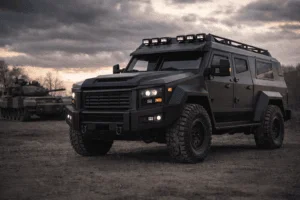
Some vehicles immediately project strength before they even move. Thick body panels, upright proportions, flat surfaces, and sharp edges give them a presence that feels closer to heavy machinery than everyday transportation. These are the vehicles people casually describe as “looking like a tank.”
That description usually has very little to do with speed or efficiency. Instead, it’s tied to visual cues that suggest durability, protection, and the ability to handle harsh conditions without complaint. High beltlines, boxy silhouettes, exposed hardware, and minimal curves all contribute to that impression of toughness.
The appeal of tank-like vehicles goes beyond appearance. For many drivers, they represent safety, confidence, and a sense of control—especially in poor weather, rough terrain, or crowded traffic. At the same time, those same design choices often come with trade-offs in comfort, visibility, fuel use, and practicality.
The discussion below explores what actually makes a vehicle look like a tank, which models best fit that image, why this style remains popular, and what ownership is really like once the visual impact wears off.
What People Mean When They Say “Looks Like a Tank”
When people say a car looks like a tank, they’re usually not being literal. They’re describing a combination of visual and emotional traits.
These vehicles tend to look:
- Boxy and upright
- Wide and planted
- Heavy and solid
- Aggressive without being flashy
They don’t look aerodynamic or delicate. They look purposeful. Almost stubborn.
To me, a tank-like car doesn’t ask for permission. It announces itself quietly but confidently.
The Shape Matters More Than the Size
A tank-like look isn’t just about being big.
Some large vehicles don’t feel tank-like at all. They’re rounded, smooth, and soft in design. Tank-inspired vehicles usually avoid curves and instead rely on straight lines, sharp edges, and flat surfaces.
Design traits to notice:
- Vertical windshield
- Flat hood
- Squared wheel arches
- High ground clearance
- Minimal styling flourishes
The design feels functional, even when it’s mostly cosmetic.
Why Boxy Designs Feel Stronger
There’s a psychological effect at play here.
Boxy shapes feel:
- Stronger
- More stable
- Harder to damage
Even if two vehicles are equally safe, the one with straight lines and thick panels feels tougher. Our brains associate curves with speed and fragility, and straight edges with strength and resistance.
That’s why tank-like designs make people feel protected before they even drive them.
The Vehicles Most People Call “Tank-Like”
Over time, a few vehicles have become almost synonymous with the tank comparison.
They’re not all military-inspired, but they share that same rugged visual language.
When people point and say “that looks like a tank,” it’s usually one of these types:
- Boxy off-road SUVs
- Military-inspired designs
- Heavy-duty utility vehicles
- Oversized all-terrain machines
They stand apart from modern, rounded crossovers.
The Influence of Military Design
Some vehicles borrow directly from military aesthetics, even if they’re built for civilian use.
Military design prioritizes:
- Visibility
- Durability
- Simplicity
- Function over style
That influence shows up in:
- Flat body panels
- Exposed hinges
- Utilitarian interiors
- Minimal ornamentation
Even when modern comforts are added, the core shape remains aggressive and purposeful.
Why These Cars Feel Safer, Even Before Driving
We’ve noticed that people feel calmer inside tank-like vehicles, even if the safety ratings are similar to smaller cars.
That feeling comes from:
- High seating position
- Thick doors
- Solid closing sounds
- Wide stance
Everything about the experience feels substantial. You don’t feel like you’re squeezing into traffic — you feel like traffic has to deal with you.
The Emotional Appeal of Overbuilt Vehicles
There’s an emotional reason people love these cars.
Tank-like vehicles represent:
- Strength
- Control
- Independence
- Preparedness
They give off a “ready for anything” vibe. Even if you’re just driving to the grocery store, the vehicle makes it feel like you could handle anything else if needed.
That feeling is powerful.
Why These Cars Often Ignore Trends
Tank-like vehicles rarely chase design trends.
While other cars become sleeker, lighter, and more aerodynamic, these vehicles:
- Stick to their shape
- Change slowly
- Resist modern softness
That consistency becomes part of their identity. People don’t want them redesigned every few years. They want them to stay stubborn.
What It’s Like to Drive a Tank-Like Vehicle
Driving one of these vehicles feels different from driving a typical car.
- You feel higher off the ground
- The hood feels massive
- Steering feels deliberate, not twitchy
- You’re more aware of the vehicle’s size
It’s not about speed. It’s about presence.
You don’t dart through traffic. You move through it with confidence.
Why Maneuverability Is Often the Trade-Off
Tank-like vehicles aren’t built for tight city driving.
Common compromises include:
- Wider turning radius
- More difficult parking
- Heavier steering
- Larger blind spots
These vehicles ask you to slow down and think ahead. They reward patience, not agility.
Interior Design Often Matches the Exterior
Inside, tank-like vehicles usually continue the theme.
Instead of sleek dashboards and touch-heavy designs, you often get:
- Chunky controls
- Upright seating
- Thick grab handles
- Simple layouts
The interior feels like it was designed to be used with gloves on — even if you never wear gloves.
Why People Trust These Vehicles More Off-Road
Even when modern crossovers are capable, tank-like vehicles inspire more confidence off paved roads.
That confidence comes from:
- Visual cues
- Rugged suspension setups
- High ground clearance
- Heavy-duty components
You feel like the vehicle belongs there, even if you’re not pushing it hard.
Are These Cars Actually Tougher?
Here’s the honest answer: sometimes yes, sometimes no.
Some tank-looking vehicles are genuinely built with:
- Strong frames
- Off-road hardware
- Durable components
Others mainly offer the look.
That’s why it’s important to separate appearance from engineering.
Why the Look Still Matters
Even if some vehicles are more style than substance, the look still matters to buyers.
People don’t choose cars purely on specs. They choose based on:
- Emotion
- Identity
- Confidence
- How the car makes them feel
Tank-like design delivers those feelings immediately.
Fuel Efficiency Is Usually Not the Priority
Most tank-looking vehicles:
- Are heavier
- Have less aerodynamic shapes
- Consume more fuel
You don’t buy one to save at the pump. You buy one because the experience matters more to you than efficiency.
Why People Still Choose Them Anyway
Despite the trade-offs, people keep buying these vehicles.
Why?
- They feel secure
- They stand out
- They age well visually
- They don’t feel disposable
Many owners keep them longer because they don’t feel outdated as quickly.
How These Cars Fit Into Everyday Life
People often assume tank-like vehicles are impractical. That’s not always true.
They work well for:
- Families who want space and security
- Drivers in harsh weather areas
- People who value visibility
- Anyone who dislikes low-slung cars
They may be big, but they’re often versatile.
Why This Design Style Refuses to Die
Design trends come and go, but tank-like vehicles persist.
That’s because they represent something timeless: resilience.
In a world that feels increasingly fragile, people are drawn to things that feel solid.
Is a Tank-Like Car Right for Everyone?
No — and that’s okay.
They’re best for people who:
- Value presence over efficiency
- Prefer durability over sportiness
- Don’t mind size
- Like feeling insulated from the road
If you love nimble handling or sleek design, these vehicles may feel clumsy.
Why People Keep Coming Back to Them
Once someone owns a tank-like vehicle, it’s hard to go back.
Smaller cars can feel:
- Exposed
- Light
- Less reassuring
That sense of protection becomes addictive.
The Difference Between Looking Tough and Being Tough
This is the most important takeaway.
Some cars look like tanks.
Some are built like tanks.
A few are both.
Knowing the difference matters if you plan to use the vehicle beyond city streets.
Final Thoughts
A car that looks like a tank isn’t just about appearance. It’s about how design influences confidence, comfort, and identity. These vehicles tap into something primal — the desire to feel protected and capable in an unpredictable world.
People don’t choose these cars because they’re practical on paper. They choose them because of how they feel the moment they see them and the moment they sit inside.
If that feeling matters to you, then a tank-like car might be exactly what you’re looking for.