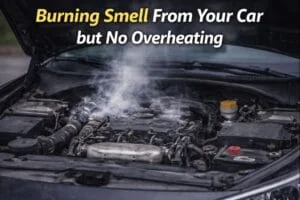
A burning smell coming from a car is always concerning, especially when the engine temperature remains within a normal range and no warning lights are present. Because overheating is the most commonly associated cause, the absence of high temperatures often leaves drivers unsure how serious the situation really is. Yet a normal temperature reading does not rule out problems that can produce strong or unpleasant odors.
Several vehicle systems can generate burning smells without triggering overheating, including oil leaks, electrical components, belts, brakes, or debris contacting hot surfaces. Some of these issues are relatively minor if addressed early, while others can escalate quickly if ignored. The difficulty lies in knowing which signs point to immediate risk and which indicate routine maintenance concerns.
The explanation that follows focuses on the most common reasons a car may smell like it’s burning without overheating, what symptoms help narrow down the source, which checks should be done first, and when continued driving is unsafe.
Understanding What a “Burning Smell” Really Means
A burning smell doesn’t always mean fire, and it doesn’t always mean the engine itself is in trouble. Cars contain fluids, rubber, plastic, electrical wiring, and friction-based components. Any one of these can create heat and odors without affecting coolant temperature.
What matters most is where the smell comes from, when it appears, and how it changes. A smell after a long drive tells a different story than a smell that shows up immediately after starting the engine. Paying attention to those details helps narrow things down quickly.
Burning Oil Smell Without High Engine Temperature
Oil can leak or seep onto hot engine parts without causing overheating. When oil drips onto an exhaust manifold or turbo housing, it burns off slowly and creates a sharp, acrid odor.
Common reasons this happens:
- Aging valve cover gaskets
- Oil filter housing leaks
- Loose oil caps or spilled oil during a change
You may notice the smell more after parking because the oil continues to burn as heat lingers. In many cases, there’s no visible smoke, just odor.
What we recommend:
Open the hood once the engine cools and look for oily residue around the engine. If the oil level is dropping faster than usual, this is a strong clue.
Burning Rubber Smell While Driving Normally
A rubber-like smell usually points to belts, hoses, or tires rather than engine heat.
Possible sources:
- A slipping serpentine belt
- A misaligned pulley
- A hose touching a hot surface
- Road debris caught near the exhaust
- Parking brake partially engaged
I’ve seen plastic bags melt onto exhaust pipes and produce strong odors without affecting temperature readings.
What to check:
Listen for squealing sounds, inspect belts for cracks or glazing, and make sure nothing is dragging underneath the car.
Electrical Burning Smell With No Warning Lights
This one deserves immediate attention.
Electrical smells often resemble burning plastic or insulation. They don’t always trigger dashboard alerts right away, especially if the issue is localized.
Common causes:
- Failing alternator wiring
- Overloaded fuse connections
- Shorting power window or seat motors
- Aging connectors heating under load
Important:
Electrical smells can escalate quickly. If the odor is strong or persistent, stop driving and get it checked.
Burning Clutch or Transmission Smell Without Overheating
If you drive a manual car, a worn clutch can produce a sharp, almost chemical odor even when engine temperature stays normal.
Automatic transmissions can also produce smells when fluid degrades or overheats locally, even if the engine itself remains cool.
You might notice:
- Smell after stop-and-go traffic
- Delayed gear engagement
- Jerky movement or slipping
Transmission systems have their own heat zones that don’t always show up on the engine gauge.
My advice:
Check fluid condition and pay attention to how the car feels during gear changes.
Burning Brake Smell After Normal Driving
Brakes generate heat by design. But when something isn’t releasing properly, that heat turns into odor.
Causes I’ve seen:
- Sticking brake calipers
- Worn brake pads contacting rotors continuously
- Parking brake not fully disengaged
This smell is often strongest near the wheels and may worsen after short trips.
A quick test:
After driving, carefully feel for heat near each wheel (without touching hot metal). One wheel noticeably hotter than the others is a red flag.
Burning Plastic Smell Inside the Cabin
If the smell is strongest inside the car, the source may be closer than you think.
Possible reasons:
- HVAC debris burning off
- Cabin air filter contamination
- Interior electronics overheating
- Spilled liquids near heated components
Heaters can amplify odors, especially when used after long periods of inactivity.
What helps:
Replace the cabin filter and inspect air vents for foreign objects.
Why the Temperature Gauge Stays Normal
This is where many people get confused.
The temperature gauge only measures coolant temperature, not oil temperature, exhaust heat, brake heat, or electrical resistance. A car can operate at normal coolant levels while other components overheat locally.
That’s why relying solely on the dashboard gauge can be misleading.
When a Burning Smell Is Safe to Monitor
Not every smell means immediate danger.
You may be able to observe if:
- The smell appears briefly and fades
- There’s no smoke or warning lights
- The car drives normally
- Fluids remain at proper levels
Even then, We recommend documenting when it happens and under what conditions.
When You Should Stop Driving Immediately
Stop driving and seek help if:
- The smell intensifies rapidly
- Smoke appears
- The odor resembles burning plastic or wiring
- You feel loss of power or braking
- Warning lights appear shortly after the smell
Trust your instincts. If something feels wrong, it usually is.
How Mechanics Diagnose Burning Smells
A good technician won’t guess. They’ll:
- Inspect heat zones
- Look for residue or discoloration
- Smell components directly (yes, really)
- Check fluid condition
- Scan for electrical irregularities
Providing details about when and where you notice the smell helps them pinpoint the issue faster.
Preventing Burning Smells in the Future
From our ownership experience, prevention comes down to a few habits:
- Fix small leaks early
- Replace aging belts and hoses
- Avoid ignoring unusual smells
- Keep engine bays clean
- Follow service intervals consistently
Cars talk to us through sound, feel, and smell. Listening early saves money and stress later.
Final Thoughts
A burning smell without overheating doesn’t mean your car is falling apart, but it does mean something deserves attention. The key is understanding that not all heat comes from the engine coolant system.
Smells are one of the most honest warning signs a car gives. They don’t exaggerate, and they rarely lie. If you slow down, pay attention, and respond thoughtfully, you can catch problems early and avoid serious repairs.
If you’re unsure, don’t panic — but don’t ignore it either. Your car is asking for a closer look, and now you know exactly where to start.