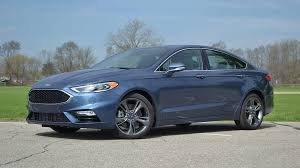
The Ford Fusion has earned a steady place in the used-car market by offering a balance of comfort, styling, and affordability. It appeals to buyers who want a midsize sedan that feels modern, drives smoothly, and doesn’t carry the premium pricing of many competitors. On the surface, most Fusion models look similar, which makes the nameplate feel like a safe, consistent choice.
However, reliability and ownership experience vary significantly by model year. Changes in engines, transmissions, and electronics across different production periods mean that some years have proven to be durable and low-maintenance, while others are associated with recurring mechanical or electrical issues. These differences often aren’t obvious when browsing listings, but they matter greatly over time.
The discussion ahead highlights the Ford Fusion years that tend to perform best in long-term ownership, explains why certain years stand out, identifies versions that deserve caution, and outlines how to choose the right model based on reliability patterns rather than price alone. The emphasis is on helping buyers make informed decisions before committing.
A quick overview of the Ford Fusion
Before getting into specific years, it helps to understand what the Fusion is and how it evolved.
The Ford Fusion is a midsize sedan that was sold for many years as a practical alternative to larger family cars and smaller compact sedans. It offered:
- A comfortable ride
- Modern styling (especially in later years)
- Multiple engine choices
- Hybrid and plug-in hybrid options
Over time, Ford refined the Fusion’s design, technology, and powertrains. Some updates were great. Others introduced problems that only showed up after a few years on the road.
That’s why year selection matters so much.
How to decide which Ford Fusion years are “best”
Don’t rely on hype or first impressions.
- Long-term reliability reports
- Known engine and transmission behavior
- Owner feedback after several years
- Maintenance patterns, not just recalls
A good year is one where issues are limited, predictable, and manageable.
The Ford Fusion generations (simplified)
To make this easier, we group Fusion years into broad phases.
Early generation (mid-2000s to early 2010s)
- More basic technology
- Simpler engines
- Generally durable, but dated
Second generation (mid-2010s to 2020)
- More modern design
- Turbo engines introduced
- Advanced infotainment
- Hybrid options improved
Most of the best Ford Fusion years come from the later part of this second generation—but not all of them.
Best Ford Fusion years
2016 Ford Fusion: a strong balance year
If someone asked me to name one safe, well-rounded Fusion year, 2016 would be near the top of our list.
- Matured second-generation design
- Fewer widespread complaints than surrounding years
- Good balance of comfort and technology
By 2016, many earlier issues had been addressed, and Ford had refined both software and hardware. The interior feels modern without being overly complicated, and the overall ownership experience tends to be stable.
2017 Ford Fusion: refinement without major risk
The 2017 Fusion builds on what worked in 2016.
What stands out:
- Improved infotainment responsiveness
- Smooth ride quality
- Solid safety features for its time
2018 Ford Fusion: one of the most reliable choices
If we had to pick a “sweet spot” year, 2018 would be it.
Why 2018 is often my top recommendation:
- Refined powertrain options
- Fewer serious mechanical complaints
- Updated technology without excessive complexity
This year benefits from lessons Ford learned earlier in the generation. The ride is comfortable, cabin materials feel solid, and long-term reliability reports are generally favorable.
2019 Ford Fusion: modern feel with fewer surprises
The 2019 Fusion is another year I’m comfortable recommending.
- Clean, modern styling
- Improved driver-assistance features
- Well-developed hybrid systems
At this point, Ford had largely stabilized the platform. For buyers who want newer features but still want a used-car price advantage, 2019 is a strong candidate.
2020 Ford Fusion: the final and most polished year
The 2020 Fusion was the last model year before Ford discontinued the sedan.
Why that matters:
- End-of-generation refinements
- Most issues already addressed
- Well-equipped trims available
If budget allows, 2020 offers the most modern version of the Fusion. It feels complete, not rushed. For long-term ownership, this is one of the safest bets.
Best years for the Ford Fusion Hybrid
The Fusion Hybrid deserves its own mention because it often ages better than some gas-only versions.
Hybrid years we trust most:
- 2016
- 2017
- 2018
- 2019
- 2020
Why hybrids stand out:
- Smoother operation
- Proven hybrid technology
- Often lower engine stress
In my experience, Fusion Hybrids from these years tend to be especially reliable if maintained properly.
Ford Fusion years approach with caution
2013–2014 Ford Fusion
These years marked the early stage of the second generation—and it shows.
Common concerns:
- Early infotainment system glitches
- Transmission behavior complaints
- More frequent owner frustration
2015 Ford Fusion
2015 sits in an awkward middle ground.
Why I’m cautious:
- Some improvements over earlier years
- But not fully refined yet
- More variability depending on engine choice
I don’t automatically rule it out, but I inspect these more carefully.
What about older Ford Fusion years?
Earlier models can still be decent cars, but expectations should be adjusted.
Pros:
- Simpler mechanical systems
- Lower purchase price
- Easier DIY maintenance
Cons:
- Outdated safety tech
- Less efficient engines
- Older interiors
If the budget is tight and mileage is reasonable, older years can work—but they’re not my first choice.
Engine choices matter as much as model year
This is something many buyers overlook.
Some engines have stronger long-term reputations than others. When choosing a Fusion, I always consider:
- Naturally aspirated engines for simplicity
- Hybrid systems for smoothness and longevity
- Avoiding engines known for higher repair costs
A good year paired with the wrong engine can still lead to frustration.
Transmission behavior across the years
Transmission feel and reliability improve noticeably in later years.
What I’ve noticed:
- Earlier second-gen models can feel hesitant
- Later years shift more smoothly
- Software updates helped reduce issues
This is another reason I lean toward 2016 and newer.
Interior quality and comfort improvements
One reason many people like the Fusion is comfort.
Later years offer:
- Better seat support
- Improved cabin materials
- Quieter ride
If you spend a lot of time driving, this difference is noticeable.
Safety features by year
As years progressed, safety technology improved.
Later years typically include:
- Better crash-avoidance systems
- Improved visibility features
- More standard safety equipment
If safety is a priority, newer years offer meaningful advantages.
Maintenance matters more than mileage
I always say this: a well-maintained Fusion with higher mileage is often better than a neglected low-mileage one.
I look for:
- Consistent service records
- Smooth operation during test drives
- No warning lights or odd behavior
Year matters—but condition matters more.
How long a good Ford Fusion can realistically last
From what I’ve seen:
- Well-maintained Fusions often reach high mileage
- Hybrids, in particular, age gracefully
- Later years tend to hold up better over time
Regular oil changes and timely service make a big difference.
My personal short list (quick reference)
If you want a simple answer:
Best overall years:
- 2018
- 2019
- 2020
Best value years:
- 2016
- 2017
Years to inspect carefully:
- 2013–2015
Common myths about the Ford Fusion
“All Fusions have transmission problems.”
Not true. Issues vary widely by year and maintenance.
“Hybrids are risky long-term.”
In many cases, Fusion Hybrids are among the most reliable.
“Newer always means better.”
Usually—but not always. That’s why specific years matter.
How I choose the right Fusion for someone
When helping someone pick a Fusion, I ask:
- How long do you plan to keep it?
- City driving or highway?
- Budget range?
- Preference for gas or hybrid?
Those answers guide the year and trim choice.
Final thoughts: choosing the right year makes all the difference
The Ford Fusion is a solid car—but only if you choose the right year. Some model years quietly deliver years of dependable service, while others demand more patience and repair budget.
If you want my honest advice, stick with 2016 through 2020, with special attention to 2018 and newer if your budget allows. These years offer the best mix of reliability, comfort, technology, and long-term value.