Audi vehicles are widely recognized for their refined interiors, precise handling, and understated performance. For many buyers, the appeal is immediate. The hesitation usually comes later, when questions about long-term maintenance, repair costs, and ownership reality begin to surface.
Audi’s reputation in this area is mixed, shaped by both satisfied long-term owners and highly vocal critics.
The reality is more nuanced than common stereotypes suggest. Audi maintenance is influenced heavily by engine design, model year, driving habits, and how closely service schedules are followed. Some models deliver years of dependable ownership with predictable costs, while others require a higher level of attention and expense than many buyers expect.
The information that follows looks closely at what Audi ownership actually involves, including maintenance complexity, common cost drivers, and the factors that determine whether owning one remains manageable or becomes expensive over time.
What People Usually Mean When They Ask This Question
When someone asks if Audis are expensive to maintain, they’re rarely talking about gas or insurance alone. What they usually mean is:
- How often do things go wrong?
- How much do routine services cost?
- Are repairs unpredictable?
- Does age make everything worse?
Those are fair concerns. Luxury cars come with higher expectations, and when those expectations meet real-world maintenance, the gap can feel intimidating.
What I’ve learned is that Audi ownership requires a different mindset than owning an economy car—but that doesn’t automatically mean “unaffordable.”
Why Audi Maintenance Costs More Than Average
The biggest reason Audi maintenance costs more is engineering complexity.
Audi builds cars with:
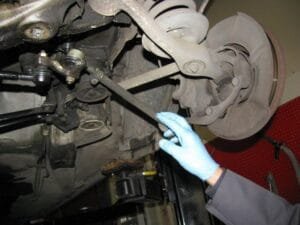
- advanced suspension systems
- turbocharged engines
- all-wheel-drive setups
- tightly packaged engine bays
These features improve performance, comfort, and safety, but they also mean more parts, tighter tolerances, and longer labor times.
When something needs attention, it often takes more effort to reach it. That extra time shows up on the bill.
Routine Maintenance: What I Actually Pay For
Oil Changes
This was the first surprise for me.
Audi engines usually require:
- specific oil grades
- higher-quality filters
- strict service intervals
That makes oil changes more expensive than basic cars. Skipping them is not an option if you want long-term reliability.
Brakes and Tires
Audi vehicles are heavier and more powerful than average, which means brakes and tires wear faster.
Notice:
- brake jobs cost more due to larger components
- performance tires wear sooner than expected
This isn’t a flaw—it’s a trade-off for handling and stopping power.
Scheduled Services
Audi schedules maintenance in stages. Some services are light, others more involved.
Skipping scheduled maintenance almost always costs more later. These cars reward consistency.
Repairs: Where the Reputation Comes From
This is where Audi gets its reputation—and sometimes deserves it.
Electrical Components
Modern Audis rely heavily on sensors, modules, and electronics. When they work, everything feels seamless. When they don’t, diagnosis can take time.
I’ve seen small sensors cause:
- warning lights
- reduced performance
- system shutdowns
The part itself may not be expensive, but finding the exact issue can be.
Cooling and Turbo Systems
Turbocharged engines generate heat, and Audi designs them to run efficiently—but not casually.
Cooling components, hoses, and valves must be in good condition. When neglected, failures can cascade.
This is where proactive maintenance makes a real difference.
Suspension Wear
Audi suspension systems are excellent, but they’re also precise.
Bushings, control arms, and shocks wear over time, especially on rough roads. When they do, you’ll feel it—and fixing it restores the car to how it should feel.
Dealer vs Independent Shop: A Big Difference
Where you service the car matters almost as much as what you service.
Dealerships:
- use factory parts
- follow official procedures
- charge premium labor rates
Independent specialists:
- often use OEM-equivalent parts
- understand common Audi issues
- charge less for labor
Once you found a good independent shop, ownership became far more manageable.
How Model and Engine Choice Affects Costs
Not all Audis cost the same to maintain.
Smaller models with simpler engines tend to be:
- easier to service
- less expensive to repair
- more forgiving if maintained well
High-performance models, larger engines, and older luxury trims require more attention and a larger budget.
Choosing wisely at the start changes the entire ownership experience.
Age Matters More Than Mileage
An older Audi with low mileage can still cost more to maintain than a newer one with higher mileage if:
- rubber components have aged
- seals have hardened
- electronics are outdated
Time affects materials, not just miles.
Maintenance Habits That Make or Break Ownership
They tend to:
- follow service schedules closely
- address small issues early
- use quality parts and fluids
- avoid ignoring warning signs
Unhappy owners often delay maintenance, then blame the car when costs stack up.
Are Audis Reliable If Maintained Properly?
In our experience: yes.
When cared for correctly, Audi vehicles can be:
- solid
- refined
- enjoyable for many years
Problems usually arise when maintenance is postponed or treated casually. These cars don’t respond well to neglect.
What Audi Ownership Is Really About
Owning an Audi isn’t about finding the cheapest way to get from point A to point B.
It’s about:
- comfort
- control
- technology
- a refined feel
Maintenance costs reflect that philosophy.
How to Budget for Audi Maintenance
Don’t wait for surprises anymore.
Set aside:
- a yearly maintenance buffer
- additional funds for wear items
Doing this removed stress and turned maintenance into a routine part of ownership instead of a shock.
Are Audis More Expensive Than Other Luxury Brands?
More costly than mainstream brands? Yes.
More expensive than some luxury competitors? Not always.
The difference often comes down to maintenance habits, not the badge.
Who Audi Ownership Makes Sense For
Audi makes sense if you:
- enjoy well-engineered vehicles
- value refinement
- are comfortable with scheduled maintenance
- prefer prevention over reaction
It’s less suitable if you want the lowest possible ownership cost with minimal involvement.
Final Thoughts
So, are Audis expensive to maintain? Compared to basic cars, yes. Compared to what they offer, not necessarily.
What matters most isn’t the brand—it’s the relationship you have with maintenance. When you understand the car, respect its needs, and plan ahead, Audi ownership becomes rewarding rather than stressful.
Real cost isn’t just money. It’s attention, care, and understanding. If you’re willing to offer that, an Audi can be a genuinely satisfying car to live with.