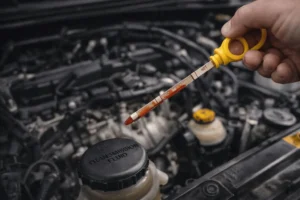

Adding coolant is a basic maintenance task, but it’s one that should never be rushed. Coolant systems operate under pressure and high temperature, which means timing and procedure matter just as much as the fluid itself. When done incorrectly, even a simple top-up can lead to burns, air pockets, or cooling problems that weren’t there before.
Most vehicles provide clear visual clues when coolant levels drop, such as warning messages, rising temperature readings, or a low reservoir level. Knowing how to respond safely—and when not to—prevents minor maintenance from turning into a bigger issue. The process itself is straightforward, but only when the right steps are followed in the correct order.
What follows lays out a safe, practical way to add coolant, including when the engine should be cold, where to add fluid, how much to use, and which mistakes to avoid. The focus is on clear actions and real-world safety, without technical overload or guesswork.
Why Coolant Matters More Than People Realize
Why coolant is important.
Coolant:
- Regulates engine temperature
- Prevents overheating
- Protects metal parts from corrosion
- Helps the engine warm up evenly
Without enough coolant, even a healthy engine can overheat quickly—and that’s where real damage starts.
What Coolant Actually Does Inside the Engine
Coolant isn’t just “colored water.”
It flows through:
- The engine block
- The radiator
- Hoses and passages
As it moves, it absorbs heat and releases it through the radiator. That constant circulation is what keeps temperatures stable.
Let the Engine Cool Down
This rule is non-negotiable.
Never add coolant when the engine is hot.
Why?
- Hot systems are pressurized
- Opening caps can cause boiling fluid to spray
- Burns can happen instantly
Wait until the engine is fully cool—usually at least 30 to 60 minutes after driving.
How You Know the Engine Is Cool Enough
Don’t rely on time alone.
Check:
- The temperature gauge (should be fully cold)
- The hood (should not feel hot)
- Upper radiator hose (should feel cool, not firm)
If there’s any doubt, wait longer.
Opening the Hood and Finding the Coolant Areas
Once the engine is cool, open the hood and locate two key areas:
- The coolant reservoir (overflow tank)
- The radiator cap (not always accessible)
Most modern cars use the reservoir for topping up, which is safer and simpler.
How to Identify the Coolant Reservoir
The reservoir is usually:
- A translucent plastic tank
- Marked with “Coolant” or a temperature symbol
- Connected to the radiator with a hose
Checking the Coolant Level Before Adding Anything
Before pouring, always look.
The reservoir has markings:
- “MIN” or “LOW”
- “MAX” or “FULL”
If the level is:
- Below minimum → add coolant
- Between marks → usually fine
- Above max → don’t add
This step prevents overfilling.
Why Overfilling Is a Bad Idea
More coolant is not better.
Overfilling can:
- Cause pressure buildup
- Force coolant out when hot
- Create leaks where none existed
Only add enough to reach the proper level.
Choosing the Right Coolant (Very Important)
This is where many people go wrong.
Never assume all coolant is the same.
Coolant differs by:
- Color
- Chemical composition
- Vehicle requirements
Using the wrong type can cause long-term damage.
How to Know Which Coolant to Use
Check one of three places:
- Owner’s manual
- Label under the hood
- Coolant already in the system
Mixing Coolant and Water: When and How to Do It
Some coolant comes pre-mixed. Others need dilution.
If mixing is required:
- Use distilled water only
- Follow the recommended ratio
- Mix before pouring, not inside the system
Tap water can cause mineral buildup, so avoid it.
Adding Coolant to the Reservoir (The Common Method)
This is how to usually do it.
Steps to follow:
- Unscrew the reservoir cap slowly
- Pour coolant gradually
- Watch the level rise
- Stop at the “MAX” line
Slow pouring prevents air bubbles and spills.
What If the Reservoir Is Completely Empty?
If the reservoir is empty:
- Add coolant up to the correct level
- Then to keep an eye on it after driving
An empty reservoir often means there’s a leak or loss somewhere.
Adding Coolant Directly to the Radiator (If Required)
Some older cars require this step.
- Engine must be completely cold
- Open the cap slowly
- Stop immediately if pressure releases
Safety comes first here.
Why Radiator Caps Deserve Respect
Radiator caps:
- Hold pressure
- Control boiling point
- Seal the system
Opening them carelessly is how people get injured.
Filling the Radiator Properly
When filling the radiator:
- Pour slowly
- Pause occasionally
- Watch for bubbles
This allows trapped air to escape naturally.
Why Air in the Cooling System Is a Problem
Air pockets can:
- Prevent proper circulation
- Cause hot spots
- Lead to overheating
That’s why slow filling matters.
After Adding Coolant: What to Do Next
Never just close the hood and walk away.
Do:
- Secure all caps tightly
- Start the engine
- Let it idle for a few minutes
- Watch the temperature gauge
This helps the system circulate fluid.
Letting the System Burp Naturally
As the engine warms:
- Air moves into the reservoir
- Coolant levels may shift
That’s normal. Recheck the level once the engine cools again.
Why to Recheck the Level the Next Day
The next morning, when the engine is cold:
- Check the reservoir again
- Top up if needed
This final check ensures the system stabilizes properly.
What If the Coolant Keeps Going Down?
If you notice repeated drops, start looking deeper.
Possible reasons:
- Small leaks
- Hose issues
- Internal consumption
Coolant doesn’t disappear on its own.
Warning Signs Never Ignore
While working with coolant, stay alert for:
- Sweet smells
- Visible leaks
- White residue
- Temperature fluctuations
These signs suggest more than a simple top-up is needed.
Coolant Warning Lights Explained Simply
A coolant warning light usually means:
- Low level
- Overheating risk
It doesn’t always mean the engine is already damaged—but it does mean act quickly.
Can You Drive After Adding Coolant?
Usually, yes—if:
- The level is correct
- No leaks are visible
- The temperature stays normal
If overheating continues, stop driving immediately.
What to Avoid Doing When Adding Coolant
Here are mistakes I’ve learned to avoid:
- Opening caps on a hot engine
- Guessing the coolant type
- Overfilling
- Ignoring repeated loss
Avoiding these prevents bigger problems.
Why Coolant Color Matters (But Not How You Think)
Color helps identify type—but:
- Same color doesn’t always mean same formula
- Different brands can look similar
Treat color as a clue, not a guarantee.
Mixing Different Coolants: Why to Don’t Do It
Mixing incompatible coolants can:
- Create sludge
- Reduce heat transfer
- Damage components
How Long Coolant Lasts
Coolant doesn’t last forever.
Over time:
- Corrosion protection weakens
- Performance drops
That’s why occasional replacement—not just topping up—matters.
Seasonal Considerations
In colder climates:
- Proper mixture prevents freezing
In hot climates:
- Correct coolant prevents boil-over
Either way, the right fluid protects the engine.
Why Coolant Is Safer Than Plain Water
Water alone:
- Boils sooner
- Freezes easily
- Causes corrosion
Coolant exists to solve all three problems.
Common Myths About Adding Coolant
“You can add coolant anytime.”
No—engine temperature matters.
“Water works just as well.”
Only temporarily, and with risk.
“If it’s low once, it’s fine.”
Repeated loss always means something.
When to Stop DIY and Get Help
Stop and seek help if:
- The car overheats repeatedly
- Coolant disappears fast
- See leaks that can’t trace
Knowing when to stop is just as important as knowing how to start.
Why Staying Calm Matters
Working with coolant isn’t hard—but rushing makes it dangerous.
Taking a few extra minutes:
- Keeps you safe
- Protects the engine
- Prevents costly mistakes
Calm always wins here.
A Simple Rule to Always Follow
This is my personal rule:
“Cold engine, correct coolant, proper level—nothing else.”
If you follow that, everything goes smoothly.
Final Thoughts
Putting coolant into a car doesn’t require special tools or advanced knowledge—but it does require patience, attention, and respect for the system. Once you know to slow down, check levels properly, and use the right fluid, it stopped feeling intimidating and started feeling routine.
Coolant issues are often early warnings, not disasters. Addressing them correctly keeps small problems from becoming major repairs.