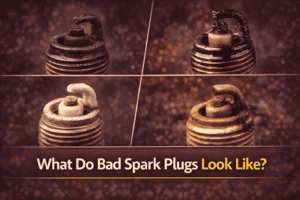
Spark plugs provide a direct window into how an engine is operating. Even when an engine runs acceptably, the condition of each plug can reveal important details about combustion quality, fuel delivery, oil control, and ignition health. These details are rarely obvious at a glance, which is why spark plug problems are often overlooked or misjudged.
A plug does not need to be broken or heavily damaged to indicate trouble. Differences in color, deposits, electrode wear, or surface texture can signal developing issues long before drivability problems become severe. When these visual cues are missed, minor problems can progress into misfires, poor fuel economy, or harder starting.
The explanation ahead focuses on what worn or failing spark plugs actually look like, how to distinguish normal aging from abnormal conditions, and what each visual pattern typically points to inside the engine. The emphasis is on practical inspection—using what’s visible to make informed decisions without guesswork or unnecessary replacement.
Why Spark Plug Appearance Matters So Much
Spark plugs don’t just ignite fuel—they also record evidence.
Every time the engine runs:
- Fuel burns
- Oil circulates
- Heat builds
- Air flows
The spark plug sits right in the middle of all that. Over time, it collects clues. By looking at a spark plug closely, you can often tell:
- How well combustion is happening
- Whether oil is getting where it shouldn’t
- If the engine is running too hot or too cold
That’s why spark plugs are so valuable for diagnosis.
What a Healthy Spark Plug Looks Like
Before talking about bad spark plugs, it helps to know what a normal one looks like.
A healthy spark plug usually has:
- A light tan or gray color
- Clean, dry surfaces
- Sharp, well-defined electrodes
- Minimal buildup
This kind of plug tells me the engine is burning fuel properly and staying within the right temperature range.
Normal Wear vs Bad Spark Plugs
Not every worn spark plug is “bad.”
Normal wear includes:
- Slight rounding of the electrode
- Mild color changes
- Even wear across all plugs
A bad spark plug shows abnormal patterns, not just age.
The First Thing to Look At: Color
Color is the biggest giveaway.
Different colors usually mean different problems:
- Black
- White
- Oily
- Ashy
- Burnt
Each one tells a different story.
Black Spark Plugs: What They Mean
Black spark plugs are one of the most common signs people notice.
If a plug is black and dry, it usually means:
- The engine is running too rich
- Too much fuel is being burned
- Combustion isn’t complete
The plug gets coated in soot, which weakens the spark.
Black and Wet Spark Plugs
This one is more serious.
If a spark plug is:
- Black
- Shiny
- Wet
It often points to fuel or oil fouling.
Wet plugs struggle to spark at all, which can cause misfires, rough running, and hard starting.
Oily Spark Plugs: A Clear Warning Sign
When to see oil on a spark plug, take notice immediately.
Oily plugs usually mean:
- Oil is entering the combustion chamber
- It’s coating the plug
- The spark becomes weak or inconsistent
These plugs look wet and slippery, often darker than fuel-fouled ones.
Why Oil Fouling Is a Big Deal
Oil doesn’t burn the same way fuel does.
When oil coats a spark plug:
- The spark gets smothered
- Combustion becomes uneven
- Misfires increase
If left alone, oil-fouled plugs don’t just fail—they keep failing even after cleaning.
White or Chalky Spark Plugs
White spark plugs tell a very different story.
If a plug looks:
- Pale
- Chalky
- Almost bleached
It usually means the engine is running too hot or too lean.
That excess heat can damage both the plug and the engine over time.
Signs of Overheating on Spark Plugs
Overheated plugs often show:
- Burnt-looking electrodes
- Cracked ceramic
- Blistered surfaces
These plugs are a warning sign that something is stressing the engine.
Ash Deposits on Spark Plugs
Ashy spark plugs look dusty or crusty rather than wet.
This usually comes from:
- Oil additives
- Fuel additives
- Long-term oil consumption
The ash builds up slowly and can eventually interfere with spark quality.
Worn Electrodes: When Shape Matters
Electrodes should be sharp and defined.
When they become:
- Rounded
- Flattened
- Uneven
…the spark becomes weaker and less reliable.
This kind of wear often shows up gradually across many miles.
Why Worn Spark Plugs Cause Poor Performance
As electrodes wear:
- The gap increases
- The spark weakens
- Ignition becomes inconsistent
That’s why worn plugs often cause:
- Hesitation
- Reduced power
- Poor fuel economy
Cracked or Damaged Ceramic Insulators
This is one of the clearest signs of a bad spark plug.
Cracks in the ceramic can:
- Leak electrical energy
- Cause misfires
- Lead to complete failure
Even small cracks are enough to make a plug unreliable.
Why Ceramic Damage Is Sometimes Hard to See
Hairline cracks aren’t always obvious.
Usually:
- Rotate the plug under light
- Look closely around the base
- Check for fine lines or discoloration
Any crack is a reason to replace the plug.
Burnt or Melted Electrodes
This is a serious condition.
Burnt plugs may show:
- Melted metal
- Deformed electrodes
- Severe discoloration
This usually means extreme heat or improper plug selection.
Why Heat Range Matters
Spark plugs are designed to operate within a specific temperature range.
If the plug:
- Runs too hot
- Or too cold
…it won’t function properly.
Incorrect heat range plugs often show damage much sooner than expected.
Uneven Spark Plug Wear Across Cylinders
This is something to always compare.
If:
- One plug looks bad
- Others look normal
It often points to a localized issue, not general wear.
That helps narrow down the cause.
What Spark Plug Smell Can Tell You
This sounds strange, but it’s true.
- Strong fuel smell → fuel fouling
- Burnt smell → overheating
- Oily smell → oil contamination
Don’t rely on smell alone, but it adds context.
Carbon Fouling: Thick, Powdery Buildup
Carbon fouling looks like:
- Thick black coating
- Powdery texture
- Dull finish
This kind of plug struggles to fire consistently and often causes misfires.
Why Short Trips Can Cause Fouling
Short trips:
- Don’t let plugs heat fully
- Allow deposits to build
- Prevent self-cleaning
Over time, this leads to fouled plugs even in healthy engines.
Spark Plugs That Look “Clean but Bad”
This one confused me early on.
Sometimes a plug looks:
- Clean
- Normal in color
…but still causes problems.
This usually means:
- Internal resistance issues
- Weak spark production
Visual inspection helps, but it’s not the only factor.
Comparing Old and New Spark Plugs
Always line them up side by side.
Differences in:
- Color
- Shape
- Deposit buildup
…become much more obvious when compared directly.
Can Spark Plugs Be Cleaned and Reused?
In some cases, yes—but I’m cautious.
Cleaning may:
- Remove surface deposits
- Restore temporary function
But it won’t fix:
- Worn electrodes
- Cracks
- Heat damage
Replacement is often the better long-term choice.
How Often Bad Spark Plugs Cause Misfires
Very often.
Bad spark plugs are one of the most common causes of:
- Rough idle
- Hesitation
- Engine shaking
They’re small parts with a huge impact.
Why Bad Spark Plugs Don’t Always Trigger Warning Lights
This surprises a lot of people.
Spark plug issues can:
- Develop slowly
- Stay within tolerance limits
- Avoid triggering alerts
By the time a warning light appears, the plugs are often very worn.
What to Check Before Blaming Spark Plugs
Always consider:
- Plug age
- Engine symptoms
- Consistency across cylinders
That keeps me from replacing parts unnecessarily.
How Spark Plug Condition Reflects Engine Health
This is what makes them so valuable.
Spark plugs can reveal:
- Fuel mixture issues
- Oil control problems
- Cooling problems
- Combustion efficiency
They’re like a snapshot of engine life.
When to Replace Spark Plugs Without Overthinking
Replace plugs when:
- They show clear abnormal wear
- They’re past their service life
- Engine performance suffers
Waiting rarely improves the situation.
A Simple Way to Remember Spark Plug Clues
Here’s how to simplify it:
- Black = too much fuel
- White = too much heat
- Oily = oil intrusion
- Worn = age and use
That mental shortcut helps a lot.
Common Myths About Spark Plug Appearance
“If it sparks, it’s fine.”
Not always—weak sparks cause problems too.
“All plugs should look identical.”
Similar, yes. Identical, not always.
“New plugs fix everything.”
They help—but they don’t fix underlying engine issues.
Final Thoughts
Bad spark plugs don’t always look dramatic, but they always leave clues. Once you know what to look for—color, deposits, wear, and damage—they become one of the easiest parts to read.
If you’re holding a spark plug and wondering whether it’s bad, trust your eyes—but also trust patterns and comparisons. Spark plugs rarely lie.