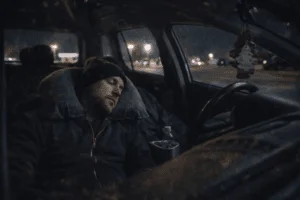
Sleeping in a car can seem like a simple solution when rest is needed, but the legality of doing so is far more complicated than many people expect. Laws and rules vary widely based on location, property type, local ordinances, and even how long the vehicle remains parked.
Some places allow overnight car sleeping without issue, while others treat it as a violation that can lead to fines or police intervention. The confusion often comes from unclear signage, overlapping local and state rules, and differences between public and private property.
Because enforcement can depend on context—such as whether the vehicle is occupied, running, or parked overnight—many drivers are unsure where they can legally rest without risking trouble. What feels harmless in one area may be restricted just a few miles away.
The sections below break down where sleeping in a car is generally allowed, where it’s commonly prohibited, and what factors influence enforcement. The aim is to replace guesswork with clear, practical information so decisions can be made confidently and legally.
Why Sleeping in Your Car Isn’t Automatically Illegal
In most places, sleeping itself is not illegal. What gets people into trouble are:
- Where the car is parked
- Local ordinances
- Length of stay
- Behavior around the vehicle
Understanding this difference was the first thing that calmed me down.
Why Location Matters More Than the Act of Sleeping
Sleeping is a personal activity. Parking is regulated.
Most laws focus on:
- Parking rules
- Zoning laws
- Trespassing
- Loitering
If you’re legally parked and not violating local rules, sleeping often isn’t the issue at all.
Public vs Private Land: The Big Divide
This distinction matters more than anything else.
- Public land: roads, rest areas, some parks
- Private land: store parking lots, apartment complexes, businesses
Public land tends to be more predictable. Private land depends on permission.
Highway Rest Areas: One of the Safest Options
Rest areas were designed for tired drivers.
In many states, they allow:
- Short-term parking
- Sleeping to avoid drowsy driving
Rules vary, but many places allow several hours of rest, sometimes overnight.
- Check posted signs
- Respect time limits
- Keep a low profile
Rest areas are often the least stressful option.
Why Some Rest Areas Limit Overnight Stays
Limits exist to prevent:
- Long-term camping
- Dumping
- Non-traffic-related use
Sleeping to rest is usually acceptable. Setting up camp is not.
Welcome Centers and Scenic Pull-Offs
Welcome centers sometimes allow overnight parking, sometimes not. Scenic pull-offs vary even more.
My rule:
- If there are no “no overnight parking” signs
- And the area is clearly meant for drivers to stop
…it’s often acceptable for a short stay.
City Streets: Legal but Complicated
Sleeping on a city street depends heavily on local rules.
Things that affect legality:
- Overnight parking restrictions
- Residential permit zones
- Time-limited parking
- Anti-camping ordinances
Why Residential Areas Can Be Risky
Even if parking is legal, residents may:
- Call authorities
- Feel uncomfortable
- Report unfamiliar vehicles
Commercial Parking Lots: Permission Is Everything
Big parking lots look inviting, but they’re private property.
Some businesses allow overnight parking. Others don’t.
If you don’t have permission, you’re relying on tolerance, not legality.
Places That Sometimes Allow Overnight Car Sleeping
Some locations are known for being more accommodating:
- Certain large retail stores
- Some truck stops
- Travel centers
Even then, policies vary by location, not brand.
Why Asking Politely Works Better Than Guessing
A quick conversation with:
- Store management
- Security staff
- Property managers
can turn uncertainty into clarity instantly.
Truck Stops and Travel Plazas
Truck stops are built for drivers resting.
They usually allow:
- Overnight parking
- Sleeping in vehicles
Just be mindful:
- Don’t take truck-only spaces
- Follow posted rules
- Be respectful of the environment
Public Campgrounds and Day-Use Areas
Some campgrounds allow car sleeping without a tent. Others don’t.
Important factors:
- Whether camping is required
- Whether fees apply
- Hours of operation
Day-use areas often prohibit overnight stays entirely.
National Forests and Public Lands
Public lands can be some of the most flexible options.
Many allow:
- Dispersed camping
- Sleeping in vehicles
- Short stays
Why “Dispersed” Doesn’t Mean Anywhere
Even on public land:
- Roads must be legal
- Sensitive areas are protected
- Time limits often exist
It’s freedom with boundaries.
Beach Parking Areas
Beach rules are highly local.
Some allow overnight parking. Many don’t.
What I’ve learned:
- Coastal towns often enforce strictly
- Tourist areas are monitored
- Signs are usually very clear
Why Urban Areas Are Stricter
Cities deal with:
- Limited space
- Complaints
- Safety concerns
As a result, they often regulate sleeping in vehicles more closely than rural areas.
How Time Limits Affect Legality
Time limits are common.
A place might allow:
- Parking for 2–4 hours
- Rest but not overnight stays
Ignoring time limits is one of the fastest ways to get asked to leave.
Why “No Overnight Parking” Signs Matter
If a sign says no overnight parking, sleeping there becomes illegal regardless of intent.
Never test those signs. They’re clear boundaries.
How Behavior Changes Everything
Even in legal places, behavior matters.
Make sure to:
- Arrive late
- Leave early
- Stay inside the vehicle
- Avoid noise and clutter
Blending in keeps things calm.
Why Setting Up Camp Causes Problems
Chairs, grills, open doors, and trash change perception.
Sleeping quietly in a parked car is different from camping — and enforcement treats them differently too.
Why Safety and Legality Are Separate Issues
A place can be legal but unsafe, or safe but illegal.
Always consider both:
- Lighting
- Surroundings
- Activity level
- Personal comfort
Legality doesn’t guarantee peace of mind.
Why To Avoid Blocking Access or Traffic
Blocking entrances, exits, or sidewalks invites complaints.
Staying out of the way is respectful and smart.
What Happens If Someone Knocks
It’s happened to me once.
My approach:
- Stay calm
- Be polite
- Follow instructions
Most interactions end with a simple request to move.
Why Being Asked to Leave Isn’t a Criminal Record
Being told to move on usually isn’t a ticket or arrest.
It’s often just enforcement of local rules.
How Local Laws Vary Widely
What’s legal in one city may be illegal in the next.
That’s why:
- Online advice is general
- Local signs matter most
- Assumptions cause trouble
Why Sleeping in Your Car Is Becoming More Common
Rising travel costs, long commutes, and flexible lifestyles have made car sleeping more visible.
As it becomes more common, rules continue to evolve.
Why Respect Keeps Options Open
Places stay tolerant when people:
- Leave no mess
- Follow rules
- Don’t overstay
Bad behavior closes doors for everyone.
How to Choose a Place Step by Step
My process is simple:
- Check if parking is legal
- Look for overnight restrictions
- Assess safety and lighting
- Stay discreet
- Leave early
That routine has kept me out of trouble.
What to Avoid Completely
Avoid:
- School zones
- Private residential drives
- Clearly posted restricted areas
- Anywhere that feels tense or watched
Instinct matters.
Why Trusting Your Gut Is Important
If a place feels wrong, it probably is — legally or otherwise.
There’s always another option.
Final Thoughts
So, where can you sleep in your car legally? In many places — if you understand the rules. Rest areas, some public lands, certain parking areas, and travel stops often allow it. City streets and private lots require more caution.
From my experience, the key isn’t secrecy or fear. It’s respect, awareness, and knowing when to move on. Once you understand how this works, sleeping in your car becomes just another practical option — not a gamble.
If you ever find yourself tired on the road, remember this: resting safely and legally is always better than pushing yourself too far.